

Choosing the right equestrian clothing for young rider isn’t just about fashion—it’s about ensuring the young rider is safe, comfortable, and confident in the saddle. From breathable fabrics to protective gear, every item plays a crucial role in a child’s movement and concentration while riding. In this guide, we’ll detail the key factors to consider when choosing children’s riding clothing, including comfort, safety, and fit.
Why Professional Children’s Equestrian Clothing Matters
Riding is more than a hobby. It is a partnership between your child and a powerful animal. You might want to send a beginner to the barn in jeans and a t-shirt. But professional gear does more than look good. It serves a real purpose. It separates a distracted, uncomfortable child from one who feels safe and ready to learn.
Comfort Equals Focus
Imagine gripping a moving animal with your legs. Now imagine doing that in denim with thick inner seams. It hurts. Friction and chafing destroy a young rider’s confidence fast.
Professional gear fixes this. Breeches and tights have no inner seams so they don’t rub. You get technical fabrics that wick sweat. A soggy cotton tee can’t do that. Your child stops fidgeting. They don’t overheat. Instead, they focus on their instructor and their horse.
Safety in Design
Safety goes beyond helmets. The fabric cut matters too. Street clothes can be dangerous around horses. Baggy sweatshirts snag on saddle horns or fence latches. Slippery jogging pants give zero grip. This makes falling out of the saddle much more likely.
Equestrian gear fits close to the body. This stops snagging. Plus, the instructor sees the rider’s posture and leg position easily. You’ll find reinforced patches on the knees and seat. These give extra “stick”. The young rider stays balanced, even if the pony spooks.
Building Confidence and Respect
A mental shift happens when a child zips up their boots. They tuck in a collared shirt. This signals focus time. It teaches respect for the instructor, the traditions, and the horse.
This “uniform” builds belonging. Your child looks like a rider, so they feel like one. This self-esteem boost leads to better riding. It turns a casual activity into a discipline to take pride in.
Introduction to Childrens’ Equestrian Apparel
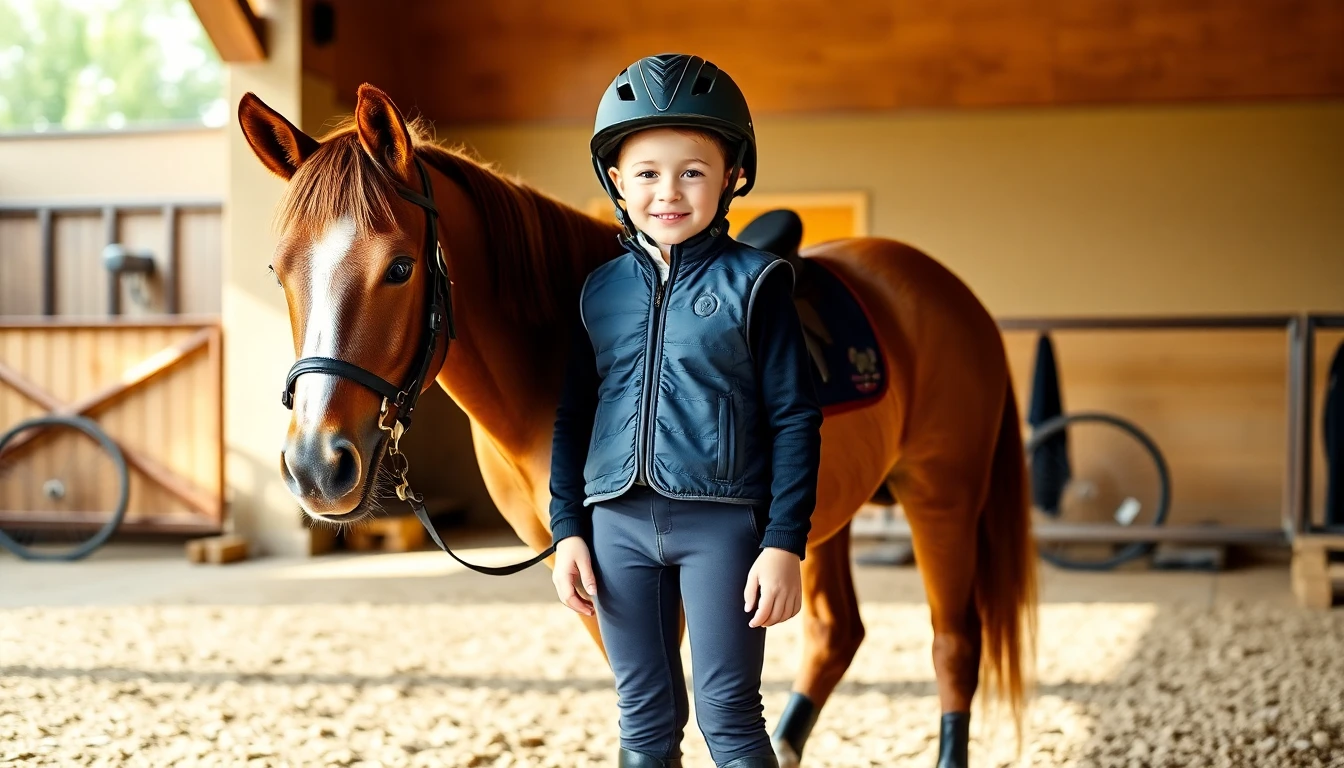
Picking the right riding clothes for kids involves more than cute barn outfits. You want them comfortable, protected, and ready for anything in the saddle. Regular children’s wear can’t handle this job. Equestrian gear stands up to rough play and weather shifts. It supports the hard work of riding.
The Foundation: Breeches and Jodhpurs
Start the wardrobe with the right pants. Breeches and jodhpurs form the backbone of a young rider’s kit. Skip the jeans. Their thick seams rub skin raw. Instead, choose riding pants that fit close to the body without bunching. They feel like a second skin. You get reinforced knees and seats—often with suede or silicone grip. This helps little legs hold onto the saddle during trots. Plus, modern flexible fabrics mean you won’t need a new pair for every minor growth spurt.
Upper Body: Performance and Protection
Forget soggy cotton t-shirts. Modern riding shirts force sweat away to keep kids cool. They also use sun-protective fabrics for those long outdoor lessons. Athletic cuts stop loose fabric from snagging on tack. Weather changes? Specialized riding jackets help here. Look for lightweight windbreakers or field coats. Manufacturers cut these shorter or add vents for movement. Your rider stays dry without losing reach or balance.
Essential Extremities: Boots and Gloves
Complete the outfit by protecting hands and feet. Proper riding boots are a safety must. Choose classic paddock styles or tall boots. Distinct heels stop feet from slipping through stirrups. Sturdy toes protect against accidental hoof steps. Gloves matter too. They prevent painful blisters and keep tiny hands warm. You get a steady hold on the reins, rain or shine.Features That Matter: Comfort, Growth, and Design
- Adaptable Fits: Elastic materials, adjustable waistbands , and extended cuffs help clothing grow with your child. This matters during fast growth seasons.
- Durability: Reinforced stitching and padded panels at knees and elbows add strength. Technical fabrics make every piece last through spills, scrapes, and adventures.
Comfort: Fabric, Fit, and Design
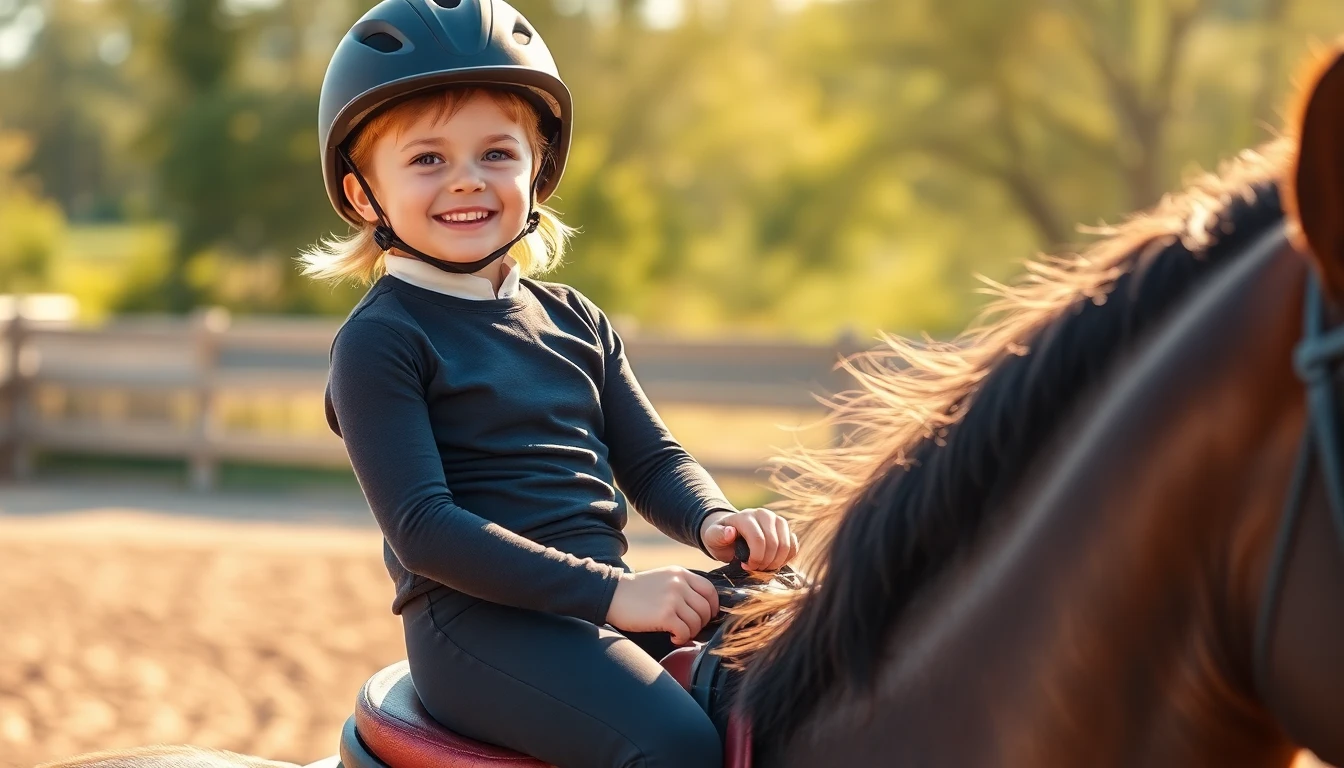
Comfort is everything for kids’ equestrian clothing. It’s the base that lets young riders focus on their love of horses and the thrill of the ride. The right fabrics, fit, and smart design details set professional equestrian wear apart from regular kids’ clothes.
The Best Fabrics for Happy Riders
High-performance riding clothes start with fabrics designed to keep kids cool and free. Look for moisture-wicking , breathable , and stretchy materials like nylon, polyester, or spandex blends. They provide good elasticity, strong durability, and dry fast after rain or a sweaty summer lesson. Technical knits and blends are the MVPs in any young rider’s wardrobe.
Fit Designed for Movement and Confidence
Body-shaped tailoring forms breeches and tights to fit well. Flat seams stop chafing and rubbing. Special gussets—extra bits of flexible fabric where hips and thighs move most—let little ones mount up and post the trot in total freedom.
Stretch fit riding pants offer up to 15% more movement than traditional woven fabrics. Kids stay comfortable in the saddle. Parents love that these breeches keep their shape after wash after wash.
Seasonal Comfort: All-Weather Style
Kids need comfort in every season:
– Summer: Cooling tech like Ice Fil® and mesh inserts pull sweat off the skin and block UV rays. Shirts made from technical polyester blends protect and cool. Young riders can shine even on hot days.
– Winter: Fleece-lined breeches and softshell jackets (think Polartec fleece) help children stay warm without getting too hot. These layers breathe and stretch.
Practical Garment Examples
-Riding pants (breeches/tights): Multi-way stretch, silicone or suede knee patches , seamless designs.
-Jackets: Lightweight, hay-resistant fabrics; machine washable; often with removable or safety-designed micro hoods.
-Riding shirts: Technical knits, UV protection, built-in mesh vents, and easy care.
Safety Considerations: The Non-Negotiable Standards
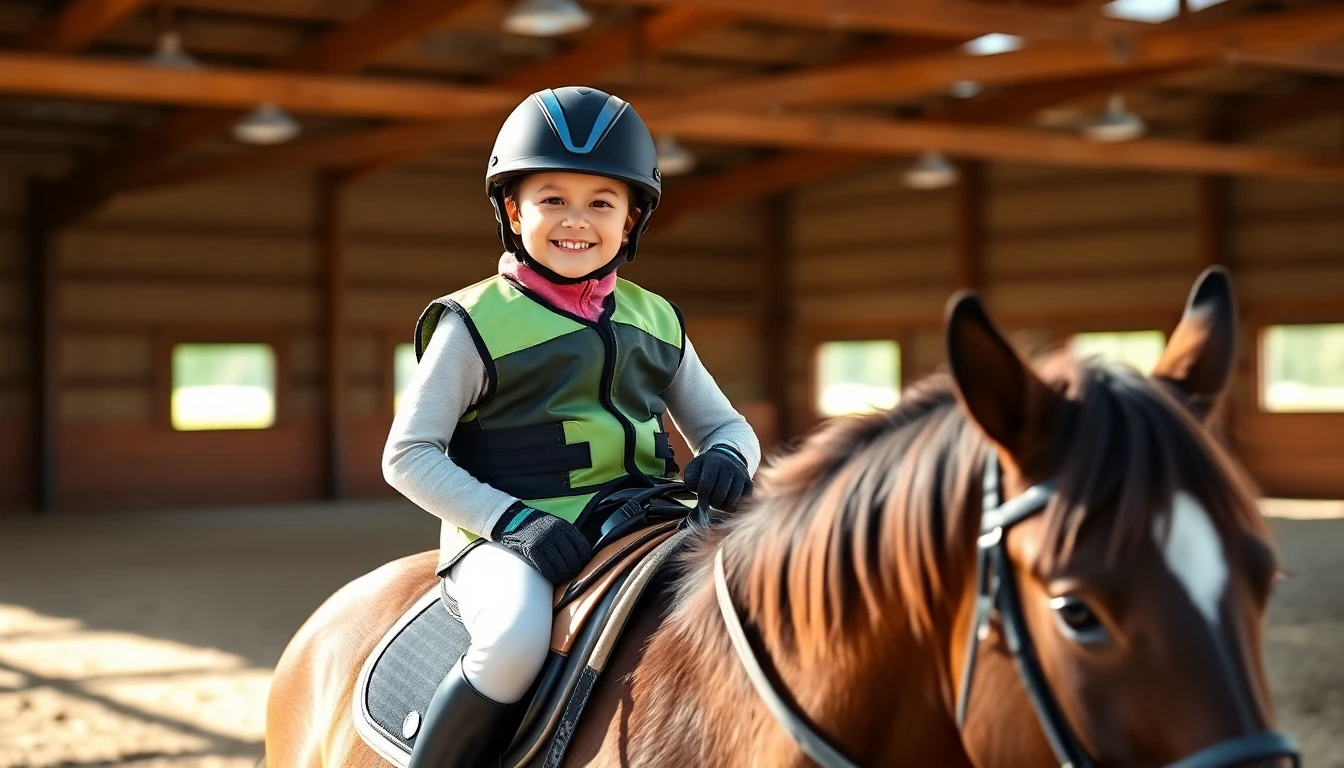
About 20% of young riders in the U.S. wear proper riding helmets regularly. Make safety a habit, not just a rule. Pick gear that protects young riders during the moments that count.
Protective Headgear: The First Line of Defense
A helmet isn’t enough. Equestrian falls happen from greater heights. You might hit uneven ground or fences. A real riding helmet stops sharp objects and angled impacts. Wear a certified, fitted helmet. This can avoid over 80% of potential head injuries.
Certification Matters
Forget the brand name. Check the label. A “Triple-certified” helmet gives you the best peace of mind. Your helmet needs at least one of these standards. More is better:
- ASTM F1163:2015 with the SEI mark (Standard in the US)
- PAS015:2011 (British standard with strict stability tests)
- VG1 01.040 2014-12 (European interim standard)
- SNELL E2016 (Rigid testing for high-performance impacts)
Critical Fit Tip: Brands use specific head shapes for design. A child’s helmet is not just a small adult model. It fits the skull tight without pressure points. Shake your head. If the helmet wobbles, it is unsafe. Buckle the three-point harness every time. An unbuckled helmet does nothing.
Equestrian Air Vests: Torso Safety
Torso injuries happen more often than you think. They account for 9–58% of equestrian accidents. Cross-country eventing requires vests, so compliance hits around 70%. But general riders rarely use them. Emergency room data shows few injured riders wear one.
The Difference Between Vests
- Body Protectors (Foam): You get protection against fixed impacts. This covers falls or hoof strikes. Find the BETA Level 3 (purple label) or ASTM F1937 mark. These vests reduce trauma to ribs and organs by up to 60%.
- Air Vests: These inflate when you leave the saddle. Warning: Get the fit right. Bad sizing hurts more than it helps. It can increase severe injury risk by up to 1.7 times compared to wearing no vest. Size it right to support the neck and spine. It shouldn’t crush the rider when it inflates.
Girls represent almost 100% of junior accident cases in some studies. So, equestrian gear is essential for female and youth bodies. It isn’t marketing. It is safety science.
Ensuring Proper Fit
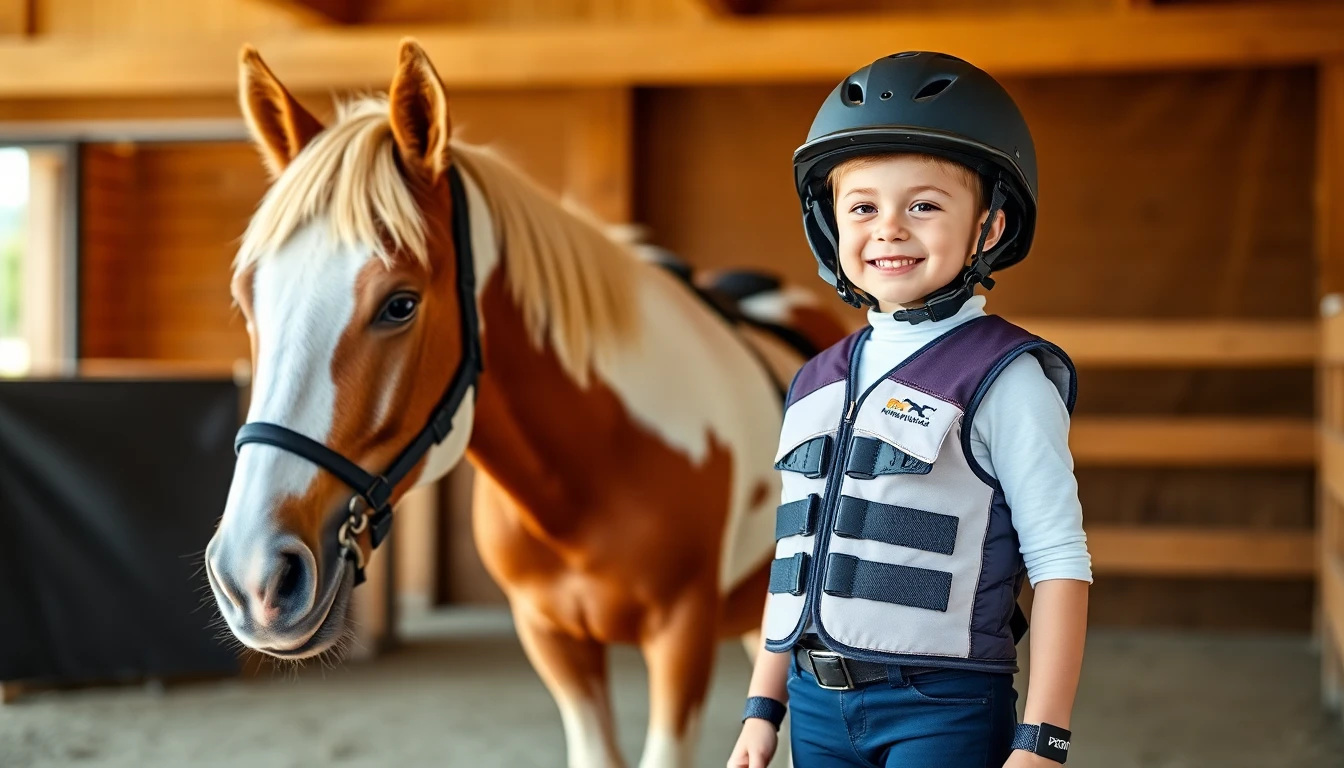
The right fit for kids’ horse riding gear is critical for safety and comfort in the saddle. Children grow fast. Each ride needs clothing that can flex, stretch, and move without feeling tight or bulky. Here’s what matters most and how to get it right for equestrian clothes your child will love to wear—every single time.
How to Measure for the Best Fit
Get accurate measurements. Don’t rely on age or guesswork. Use a soft tape and measure while your child wears lightweight base layers. Here’s what to capture:
- Shoulders: Straight across the back, tip to tip.
- Chest: Just under the arms, fullest part of the chest.
- Waist: At natural waistline, not squeezed or too loose.
- Hips: Around the widest point, standing tall.
- Inseam: From the crotch to the bottom of the leg, measured with a gentle bend—your best way to mimic riding posture.
What Happens If the Fit Is Wrong?
-Chafing at seams or underarms
-Bunched fabric that causes saddle sores
-Tight knees that make good riding form impossible
-Boots that slip, leading to instability on the stirrups
Allow space for growth, but insist on a fit that supports every stride. Your young rider—and their horse—will thank you for it.
Brand Sizing & Growth Mindset
Each brand’s size chart is its own language. Never assume a universal fit. Run your measurements against the chart before you buy. For special events or competitions, seek professional fitting advice. Adjustable waistbands, extendable sleeves, and elastic collars give you great mileage for fast-growing riders.
Partnering for Performance: A Note for Retailers & Brands
Parents today are more educated than ever. They don’t just look for cute colors; they demand moisture-wicking fabrics, certified safety features, and durability that survives more than one season. For equestrian retailers and brand owners, meeting these high standards is the key to building customer loyalty.
At Equifactory, we understand that manufacturing children’s equestrian wear requires precision. It’s not just about shrinking adult patterns down to size. It’s about reinforcing seams where ponies nip, designing waistbands that adjust for rapid growth spurts, and sourcing textiles that protect sensitive skin without overheating.
Ready to elevate your inventory?
Don’t settle for generic gear. Whether you need a small batch of custom show shirts or a full line of technical breeches, we provide the manufacturing muscle to bring your vision to life. Let’s create clothing that young riders love to wear and parents trust to buy.
Explore our OEM/ODM Equestrian Manufacturing Services or contact our team today to discuss your next collection.
FAQ
1. Can kids wear regular leggings or jeans for horse riding?
Using closet staples feels easy. But regular leggings and jeans lack safety and comfort. Standard leggings slide against the saddle. This makes the rider unstable. Jeans have thick inner seams. These seams rub and cause painful sores on the legs. Choose proper riding tights or breeches instead. They feature seamless designs in high-friction areas. Plus, grip patches help the child stay secure in the seat.
2. How tight should children’s riding breeches fit?
Aim for a “second skin” fit, not a tight squeeze. Breeches must sit flat against the leg. Avoid bunching or wrinkling. Loose fabric pinches skin against the saddle leather. But don’t restrict movement. Your child needs to mount the horse and bend knees easily. Spot deep red marks on the skin after a ride? The size is too small.
3. When should I replace my child’s riding helmet?
Follow this rule strictly: Replace a helmet right after any impact where the head hits the ground. The shell might look fine. But the interior foam often breaks upon impact. No crashes? Industry standards say swap helmets every 5 years from the manufacture date. Sweat, heat, and sunlight break down the materials over time.
4. Do beginners need specialized riding boots?
Yes. The heel provides critical safety. Sneakers or flat shoes slide through the stirrup. A fall could drag the child if the foot gets stuck. Riding boots (paddock or tall) sport a distinct heel. This heel “catches” on the stirrup bar. It stops the foot from slipping through. Treat this as a vital safety feature, right next to the helmet.

0 Comments