
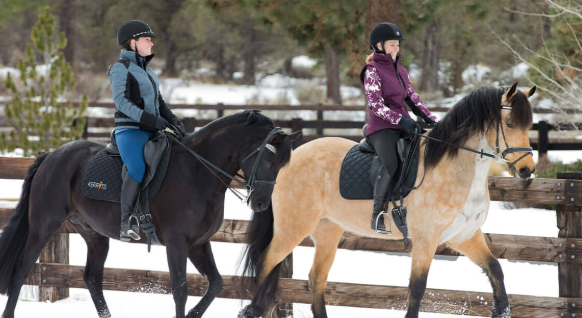
As the temperature gradually drops and the wind picks up, another winter riding season arrives. Have you ever wondered: What kind of riding wear can help you maintain grace and composure in the bitter cold? Choosing the right winter horse riding clothing is crucial for comfort and safety. It should retain warmth, manage moisture, and allow your horse to move freely.
As a equestrian clothing manufacturer, we understand that every rider and brand has their own unique needs for performance, comfort, and design during the cold weather. This guide will help you build the perfect winter riding clothing system that ensures safety without sacrificing riding performance.
Why Proper Winter Equestrian Clothing Matters
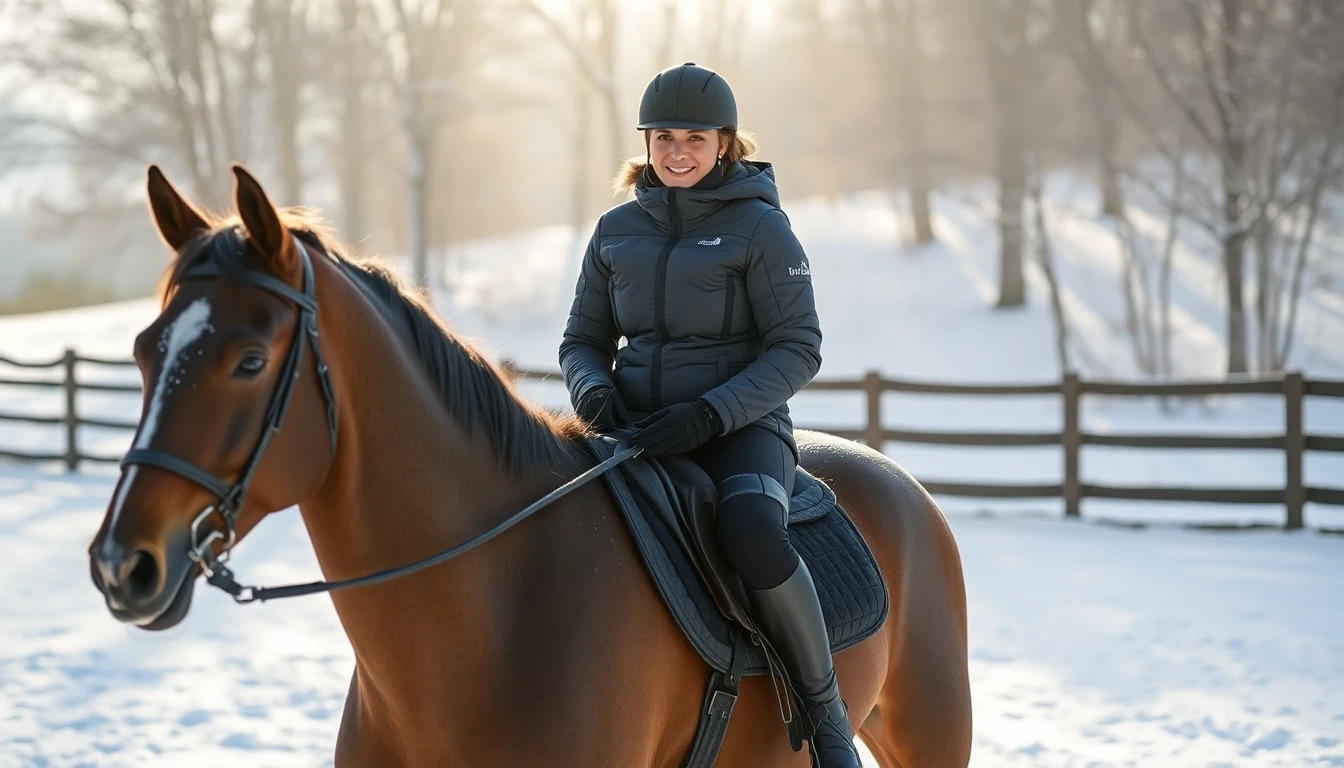
Safety and Comfort in Cold Conditions
Wearing the right riding clothing not only keeps you warm but also prevents hypothermia, improves circulation, and ensures you maintain proper riding posture.
Your equestrian base layer should fit close and wick away sweat.On the outside, a waterproof and breathable jacket is your shield against sleet and wind. Look for gear with sealed seams or a water-repellent finish. This keeps body heat in and winter cold out.
Avoiding Common Winter Riding Risks
Wearing the right gear does more than keep you comfortable. It lowers your risk of slips, falls, and cold-weather injuries. Too-loose, heavy, or wet clothing can spell disaster. It restricts movement. It makes it harder to react when your horse makes a surprise move.
Cozy doesn’t have to mean bulky. Heavy, thick winter clothes are a hidden hazard. They lead to overheating, sweating, and then sudden chills as your body cools down. This makes winter rides uncomfortable and can be dangerous. Industry estimates suggest up to 20% of winter riding accidents connect back to poor clothing choices. This includes frostbite on fingers to accidents after slipping in wet gear.
Eye-Opening Examples and Helpful Figures
Thermal breeches and winter gloves can keep you up to 30% warmer than standard riding clothes. That waterproof, breathable jacket? It can slice the wind chill by about 10°C (18°F). That’s the difference between tense, cold muscles and relaxed confidence.
Body protectors and technical fabrics together have a strong impact. Riders using these setups report about a 40% drop in minor winter injuries compared to those in standard gear.
Visibility is more than a fashion statement. Winter riding near roads or trails isn’t safe without reflective outerwear. I recommend this during those two hours after sunrise or before sunset. Light is low. Accidents are most common then.
Winter Riding Clothing Framework
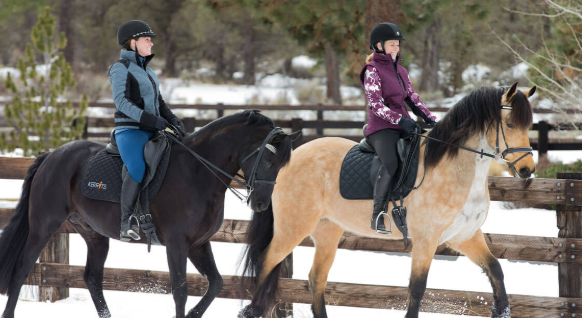
Three-layer system for the upper body
Base Layer: The Foundation
Start with a base that keeps you dry. This matters whether you gallop or muck stalls. Skip the cotton. It’s your enemy in the cold. Cotton holds dampness long after you cool down. I suggest moisture-wicking synthetics or merino wool. Choose thermal sports shirts, fitted fleece-lined undershirts, or seamless underbreeches with stirrup straps.
go-to picks:
– Equetech Unisex Arctic Thermal Underbreeches
– Equetech Thermal Sweater Stock Shirt
– Kerrits fitted thermal base layers
Mid-Layer: The Insulator
This layer holds your heat. Go for fleeces, hoodies, or a lightweight micro-down jacket. I love a long, fleecy half-zip. It feels snug and lets me adjust temperature fast. The best mid-layers trap heat but let you breathe. You won’t overheat even if you sweat. Zippers give you control when the weather shifts.
For the frostiest mornings:
– Fleece zip-up jackets
– Micro-down jacket
Outer Layer: The Shield
This is your defense. Wind picks up. Sleet storms hit as you trot across the field. Choose windproof and waterproof coats that aren’t bulky. Good riding coats are cut to keep you moving. Look for taped seams, longer backs, and a roomy hood.
Top picks:
– Waterproof riding jacket with hood
– Windproof softshell coat
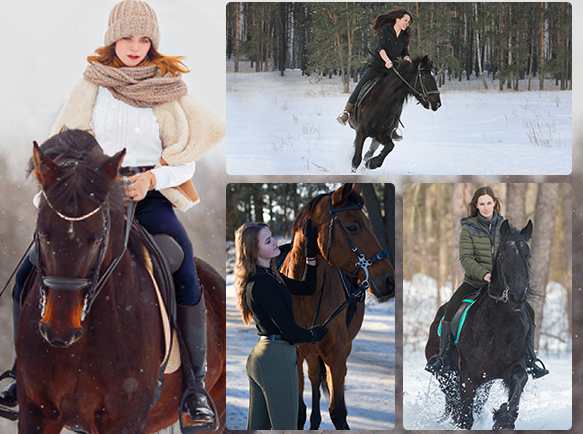
Lower Body Protection
Use the three-layer concept for your legs too. There are perfect one-piece options. I recommend insulated, water-repellent breeches that let you move in the saddle. Cold days need more layers. Add fleece-lined breeches, wool long underwear, and knee-high ski socks.
Accessories
Small items make a big difference. I always use neck gaiters, thermal hats that fit under my helmet, insulated gloves, and proper winter riding boots with grip and warmth. Wool socks are my best friend on icy mornings.
Tips for Choosing the Right Winter Horse Riding Wear
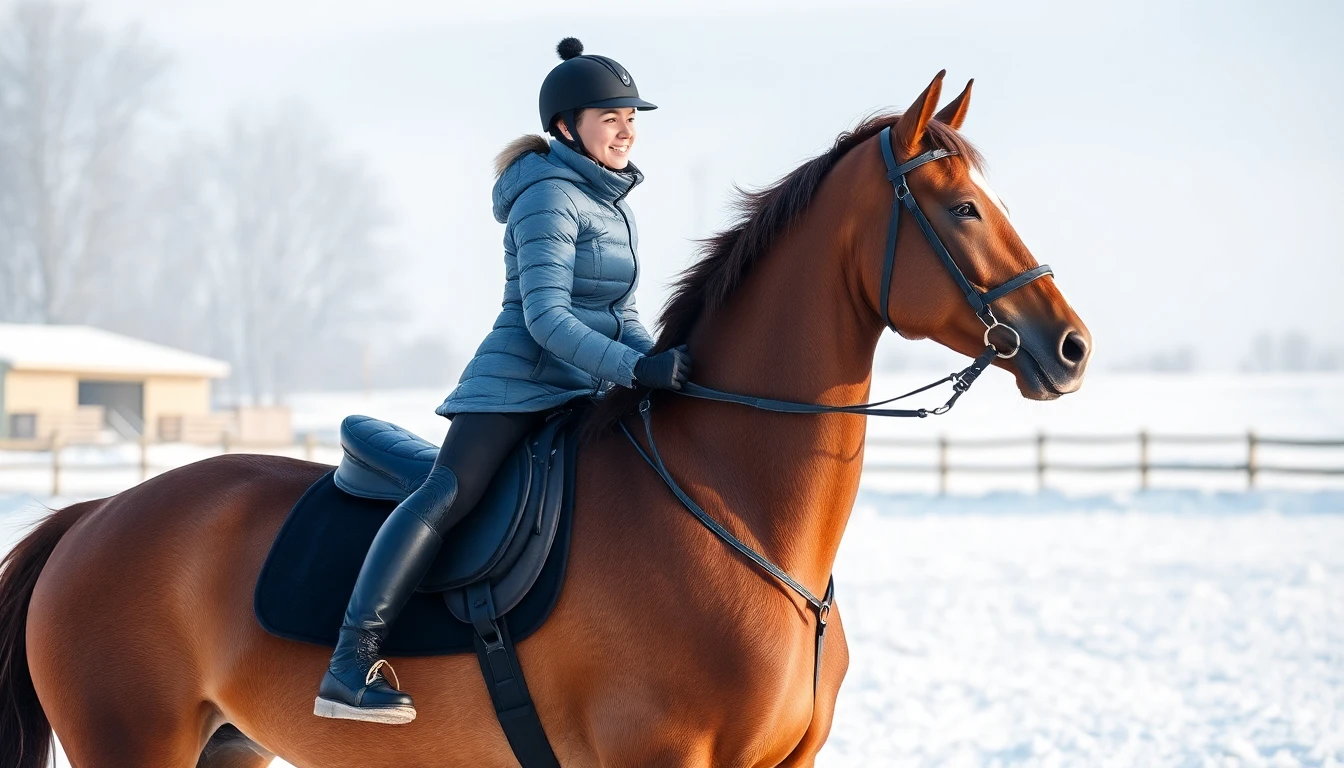
Prioritizing Mobility and Fit
Look for winter breeches and tights that fit close but don’t squeeze. Tightness cuts off circulation and leaves you cold. Too loose means bulk and risk of slipping. Try on styles that let your knees bend and your hips flex freely. For equestrian brands seeking customized solutions, working with an OEM/ODM equestrian apparel manufacturer can create winter riding apparel that meets your brand’s unique fit preferences, materials, and design aesthetic.
Technical fabrics with spandex or polyester blends which are the secret to breeches (like Kerrits Sit Tight Wind Pro®) that hug in all the right places. They flex as you rise and sit in the saddle.
Built-in grip on breeches. Full seat with silicone means you’ll feel extra secure. This helps no matter how fresh your horse feels on a cold morning. High-waisted breeches and full-seat cuts bring cozy protection. They shield you from brisk wind gusts. They help with a saddle that hasn’t warmed up yet.
Choosing the Right Materials
Polyester and spandex blends
It deliver real warmth with less bulk. They dry in a flash. They hold up to every muddy, messy task. I recommend fleece-lined or softshell breeches and windproof, rainproof jackets (like the Kerrits 3-Season Tailored Breech).
Merino wool
For base layers, merino wool is soft and non-itchy. It keeps you dry and warm, even if you sweat or get caught in sleet. It’s also great at fighting off mid-week barn odors.
Waterproof and windproof
Features like Polartec® Wind Pro®, Gore-Tex®, or similar weather-defying fabrics. These aren’t just buzzwords. They’ll keep you dry and cozy, even if winter turns moody.
Stand-Out Examples
-
Kerrits Sit Tight Wind Pro® Full Seat Tights: Cozy fleece lining, windproof outside. Stretchy and grippy where it counts.
-
Ariat® Prevail Breeches: Water-resistant, thermal. Has reflective touches for those dusky winter rides.
-
Merino wool base layers: The low-key MVP under everything. Soft, always comfortable, and never clammy.
Build your winter riding wardrobe this way. You’ll end up with pieces that layer well and work hard every time you ride out. We also offer wholesale winter horse riding attire to equestrian brands, expanding their seasonal collections with high-performance, customizable pieces.
What Not to Wear in Winter
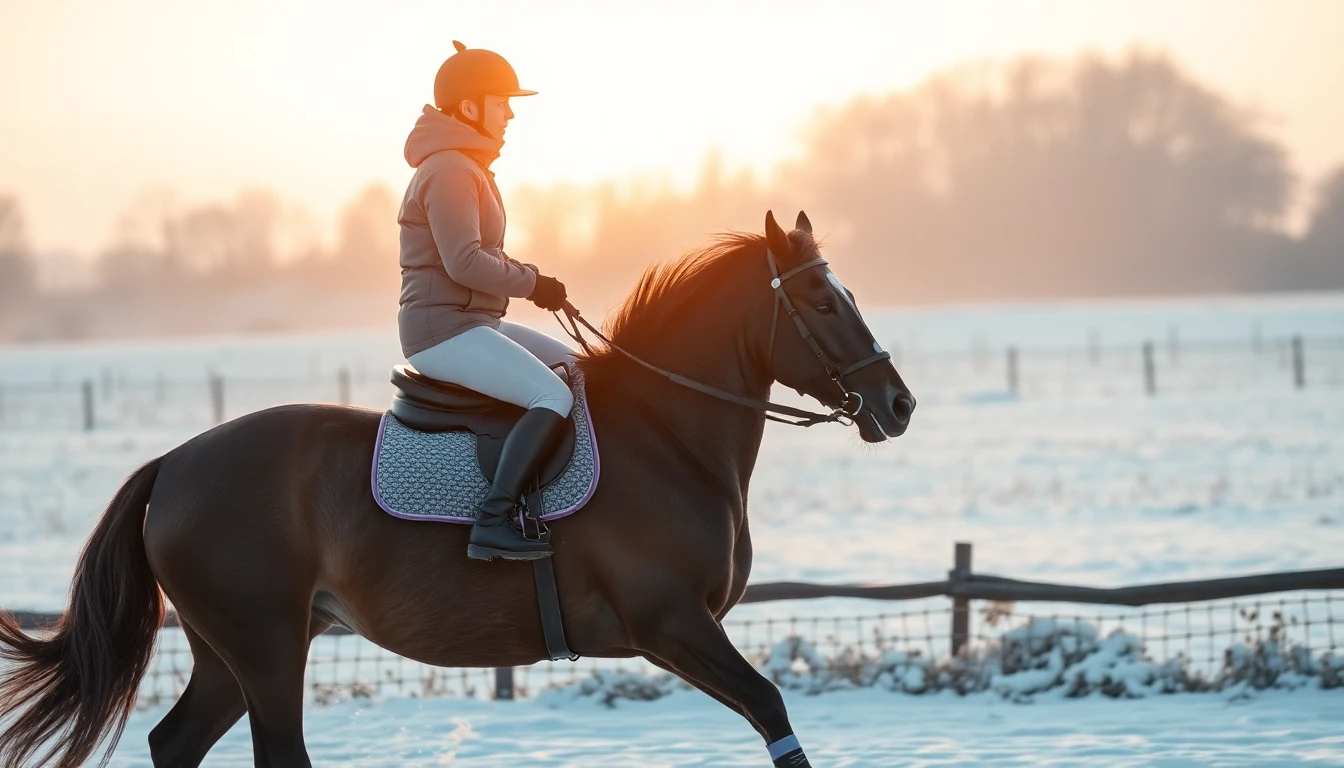
Clothes That Don’t Move With You
Canvas or Workwear-Style Pants
Thick Carhartt-style pants are stiff and bulky. Instead of bending with your legs, they fight your movement. Your rides feel awkward and uncomfortable. This gets worse the longer you stay in the saddle.
Snow Pants & Slippery Outerwear
Snow pants work great for sledding. They don’t work for riding. Their slick shells make you slide in the saddle. Sometimes you slide right out. Your warm layers turn into a slippery surface. You lose the grip you need. You lose the security that keeps you confident and in control.
Bulky Parkas
Big, puffy coats trap too much air. Slim thermal layers with a fitted vest or lined jacket much more better. You need warmth, yes. But you also need to feel every move you make.
Safety Hazards
Baggy Clothes
Loose layers flap, catch, and tangle. They get caught around your hands, under your legs, on your tack. A stray buckle or stirrup can grab oversized fabric. Bulky gear also limits your movement. You lose the agility you need to shift, stretch, and sway with your horse.
Wide-Toed Boots
Big, wide boots seem tempting for winter. But if the toe is too wide for your stirrups, you have a problem. You’ll need to swap shoes before riding. There goes all that cozy waterproofing. Stirrups that don’t fit cause trouble. Changing shoes outside in the cold is no fun at all.
Non-Waterproof Footwear
Wet toes ruin a ride fast. Snow gets tracked onto your boots. It melts indoors. Then it freezes again outside. You end up with damp, icy feet. Slips and falls become much more likely. Your boots must keep water out.
Conclusion
Professional winter equestrian clothing not only ensures you stay warm, dry, and agile throughout your ride, but also enhances your comfort and safety, allowing you to enjoy the charm of winter riding while maintaining optimal performance and protection.
Follow this guide to easily build your own winter riding wardrobe, ensuring you can enjoy every ride with confidence, no matter the temperature. If you would like to further customize your riding attire line, please feel free to contact us. We will tailor it to your specific needs and riding conditions, ensuring a comfortable and professional winter ride.

0 Comments