

You’ve booked your first Western riding lesson! You’re probably both excited and nervous. A common question will likely pop into your head: “What should I wear?” Western riding emphasizes practicality. Your gear must ensure your safety, keep you secure and comfortable in the saddle, and help you learn better. This guide covers essential western horse riding clothing . We help you build a safe western riding outfit for beginners . You need the right equipment, from helmets to boots.
Riding Helmet
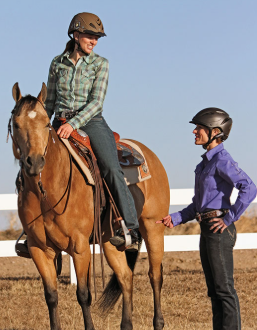
For your first western riding lesson, choosing a proper riding helmet is a must for safety. Classic cowboy hats look great, but I recommend you wear a certified equestrian helmet.
Helmet Safety Standards
Look for helmets marked ASTM/SEI certified . This tag means your helmet passed strict safety tests for impact protection. Some helmets also have markers like Kitemark PAS015 , VG1 , or SNELL . These are all good options if you try other riding styles later.
Fit and Sizing
Skip vague S, M, or L sizes. Proper helmets offer exact measurements, from 53 cm up to 63 cm. You want a fit that’s snug and comfortable. Based on my experience, I recommend trying a helmet with an adjustable dial-fit system or interchangeable liners.
A good fit means the helmet sits one finger above your eyebrows. It should stay put if you shake your head. If your eyebrows move with the helmet, you have the right fit! Do you have a favorite hairstyle or change it often? Pick a helmet model with adaptable liners or padding to stay comfortable.
Important Features & Cool Innovations
-
MIPS Technology : The Multi-directional Impact Protection System gives you extra defense against rotational impacts if you fall.
-
Wide Visor : Keeps the sun off your face during western rides.
-
Moisture-Wicking, Removable Liners : You can take these out to wash them. Your helmet will stay fresh.
-
Lightweight Materials : You can focus on riding without a heavy head.
Western Boots
Picking Your Western Boot Style
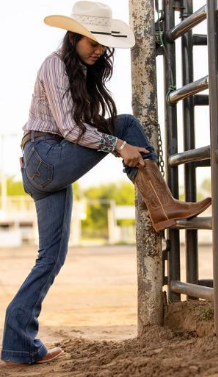
-Classic Cowboy Boots: Mid-calf height, pull-on, a timeless look and feel. These boots might feel stiff at first. But they mold to your feet as you rack up more rides.
-Roper Boots: A little shorter, a little rounder in the toe. These are made for comfort and quickness both in and out of the arena. Many lesson riders and everyday cowpoke types skip the drama and pick these. I suggest ropers for beginners who want easy on-and-off.
-Lace-up or Endurance Boots: If you crave more ankle support as a beginner, try these. Adjustable laces give you a snug feel. They still meet the safety standard.
Fitting Tips You Can Count On
A western boot should fit snug—not tight, not floppy. Slide in with a thin to medium sock. Walk around a bit. If your heel slips just a smidge but your toes have wiggle room, you’ve hit the sweet spot. Never settle for fashion cowboy boots while riding. They just don’t cut it for real ranch life. Also, leave your sneakers and sandals at home. Your lesson barn won’t allow them.
Did You Know? More than 70% of new western riders pick classic cowboy or roper boots for their first lesson. After a few months, over half of these riders upgrade to tougher or more supportive boots. They chase that perfect fit.
Jeans/Riding Pants
Why Denim is a Ranch Staple
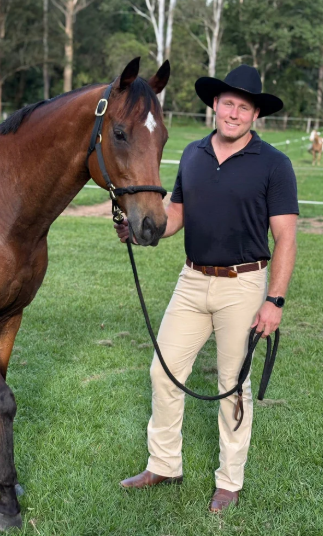
Let’s talk denim. It builds the foundation of proper western riding attire. I recommend sturdy denim riding pants for Western riders. They feel rugged. You gain grip in the saddle. Plus, this piece of western equestrian clothing stops chafing and scratches. Lighter fabrics can’t do that. But pick the right pair.
Skip the baggy, ultra-tight, or bulky-seamed pairs. Baggy pants can twist around or get caught. Tight ones restrict your movement. They pinch when you mount up. Bulky seams on the inside of your legs? Those can turn a simple lesson into a test of endurance. I suggest a pair that moves with you. Boot-cut and mid to high-rise styles work best for sitting well over boots and covering you in the saddle.
Fitting Tips & What to Look For
Choose jeans 1–3 inches longer than your usual pair. They ride up in the saddle. This exposes your ankles or skin above your boots. Western folks prefer a little fabric “stacked” at their boots when standing. It guarantees your legs stay covered once you’re mounted.
Keep your jeans presentable. That means no holes, no frayed edges. Tattered jeans look out of place at a lesson. They can tear further or snag on tack.
What Not to Wear
Steer clear of leggings, yoga pants, or athletic tights. They’re slippery in the saddle. They’re not tough enough for Western work. If you don’t have jeans handy, you can use riding breeches or tights. Those are more for English riding. They should fit close and cover your legs. But as a real ranch mom would say, “Jeans are best, honey.”
Shirt (T-Shirt or Button-Down)
Why Button-Downs Rule the Ranch
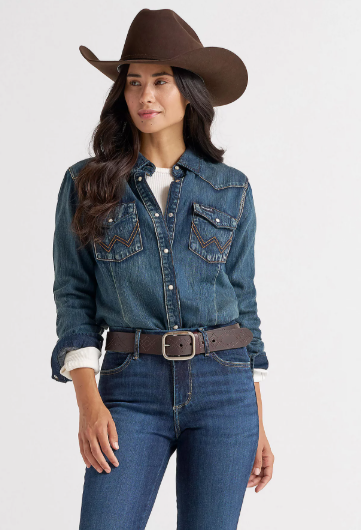
A long-sleeved button-up equestrian shirt with its pointed collar and western yoke which has been a staple of every arena, showground, and dusty backroad for good reason:
-Sun protection: Long sleeves keep your arms safe from harsh sunlight, low-hanging branches, and stray bits of brush.
-Tradition & polish: Collared shirts are often requested by lesson barns. They keep you looking sharp. No wild slogan tees or distracting graphics here!
-Practicality: Modern versions come in stretchy, moisture-wicking fabrics. Many have SPF ratings (think SPF 30+). They’re a blessing on a hot day in the saddle.
Choosing Your Riding Shirt: Features & Fit
-Stick with a collared button-down or close-fitting tee—no tanks or loose tops.
-Material matters: Cotton breathes. Performance fabrics offer cooling, stretch, and sweat-wicking benefits.
-Long sleeves beat short sleeves, even if it’s warm. You’ll appreciate the extra protection.
-Always tuck your shirt in. It’s tradition and practicality combined.
-Clean and neat wins every time. Some riding schools require a polished, tucked-in, collared shirt for every lesson.
-Keep it simple: Avoid shirts with decorative fringe, sparkles, or anything that might snag.
-Group lessons or clinics call for solid, fitted shirts. White or pale colors give you a classic look.
Feel free to layer on a light vest or simple jacket if it’s chilly. Just make sure what you add won’t restrict your movement. Always double-check barn rules! Some trainers insist on collared shirts no matter the weather.
Belts
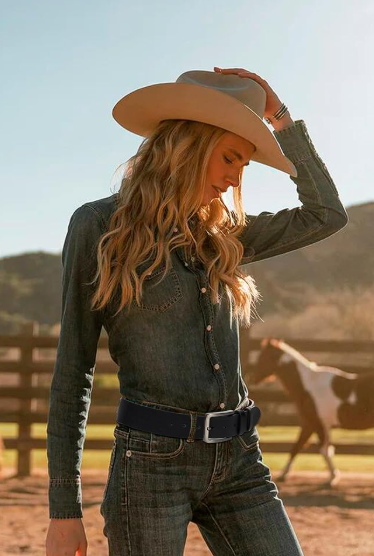
Why a Belt Matters in the Saddle
It keeps your jeans or riding pants right where they should be. No matter how often you mount up or move around in the saddle. It stops your shirt from creeping out. So you always look put-together.
If your pockets carry chapstick, a hair tie, or a treat for your horse, a belt helps support that extra weight. Don’t skip the belt, even if your riding lesson is just for practice. Most lesson barns expect it—from greenhorns to old hands.
The Right Western Belt: Style Meets Substance
Pick a belt made from tough leather. The classic Western look—simple, sturdy, and built to last—comes from the right material. Here are some common options:
– Standard widths: Men’s Western belts run from 1.25 to 1.5 inches wide. Women’s belts might be a bit slimmer. But plenty of cowgirls love a wider statement belt too.
– Design: You’ll see everything from plain leather to belts with tooling, metal buckles, conchos, and eye-catching stitching. Decorative or not, what matters most is how it works and wears.
– For younger riders: There are great options scaled down to fit. Look for brands like Weaver Leather that offer sizes for kids.
How to Find the Perfect Fit
Choose a belt one size up from your jeans’ waist measurement. That gives you enough length to loop it and buckle up with ease.
Your belt should feel snug, but never tight or restrictive. It ought to slip through your belt loops with no struggle. Sturdy enough to hold everything together. Yet easy to unbuckle after your ride is done.
Riding Gloves (Optional for Beginners)
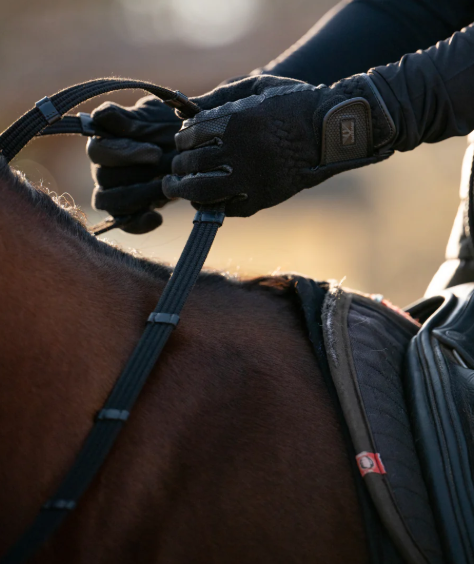
Riding Glove Styles and Features
-
Leather gloves: Think tough, classic, and serious grip. They mold to your hands over time.
-
Synthetic gloves: Lightweight and breathable for summer lessons. Often easier on your budget too.
-
Grip insert gloves: These have extra traction patches or silicone. Perfect for new riders who want zero-slip control.
-
Insulated gloves: Cool mornings or winter lessons? Toasty fingers all ride long.
-
Perforated summer gloves: These keep your hands cool on those extra-sunny afternoons.
What do you want in a glove? I suggest looking for a snug fit (like a second skin). Check for reinforced palms and fingers (no blowouts, please!). Choose breathable materials so your hands don’t turn into mini saunas. Some riding gloves are even UV-protective or thermal-lined.
When (and Why) Gloves Pay Off:
Long lessons or trail rides—no tired, raw hands, I promise.
Cold or wet weather—stay comfortable, keep your grip.
Sensitive skin—no more flinching at calluses.
Extra confidence—helps you focus on riding, not your hands.
Optional: Safety Vest — Your Extra Layer of Western Riding Safety
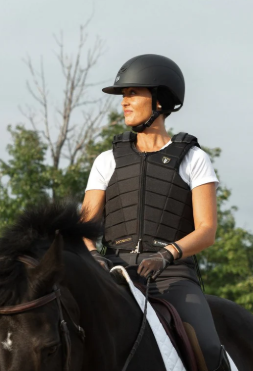
What Is a Riding Safety Vest?
A riding safety vest is a protective garment. It shields your chest, ribs, and back during falls or accidents in the saddle. These vests are popular now. New riders wear them. Experienced riders wear them too. They’re great for unpredictable horses, young colts, or times when you want extra care.
Styles of Vests: Classic vs. Airbag
Classic Body Protector: These use dense foam, ballistic nylon, and tough materials. They absorb big shocks. They shield your vital organs. Cross-country eventing often requires these. But they work great for western practice too.
Airbag Vests: These are the new option! They inflate fast—just 0.2 seconds—if you fall from the saddle. They protect your torso and neck. Some people wear them alone. Others wear them over a traditional vest, even in casual lessons.
Extra Features and Practical Everyday Use
-
Size for all: You’ll find classic and airbag vests in kids’ and adult sizes. Some lesson barns require them for younger students.
-
Lightweight: Most certified vests weigh less than 2 pounds. You won’t notice the weight after you start tacking up.
-
Deployment magic: Air vests inflate faster than you can say “whoa!” They self-deflate a few minutes later.
-
Off the horse: Some riders wear their impact vests for groundwork. They wear them for trailer loading. They even wear them to stay warm on cold mornings.
Cowboy Hat (If Allowed by Instructor)
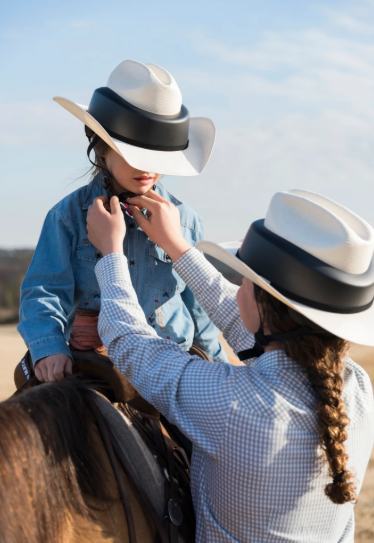
Choosing the Right Cowboy Hat for the Lesson
Material Matters
The cowboy hat comes in two main types—straw and felt. Straw hats work better in summer. They let your head breathe when days run hot and dry. Felt hats work better when air turns crisp. They keep warmth in during cool mornings or breezy evenings at the barn.
Getting the Fit Just Right
A loose hat creates a big distraction during your lesson. You’re trotting, loping, or minding your horse. The last thing you want is chasing a runaway hat.
Matching Hat Shape to Riding Discipline
– Show and all-around hats: High creased crowns and brims that flip up at the sides. This gives a crisp look. It’s all about showmanship.
– Cattle classes: Lower crowns and a flatter, wider brim. These shield your eyes and face from the elements. Think rugged and practical.
– Reining: Sits right between a show crease and a cattle-class hat.
– Trail riding: Go wide and easy. A broad crown and larger brim flatter your face. They just feel easy out on the trail.
Summary
Your first riding lesson isn’t an exam. The most important principle is simple: safety first, style second. You’ll need a certified helmet to protect your head. Wear sturdy heeled boots to ensure your safety in the stirrups. Choose a pair of comfortable denim breeches so you’re ready to ride. Spend time practicing in the saddle; you’ll quickly discover which gear suits you best. Check the riding school’s rules. Take a deep breath and enjoy your first ride!
Need custom riding clothing? Contact Equifactory to create personalized riding outfits. We tailor Western riding clothing to your specifications. Whatever your style, we can meet all your needs.

0 Comments