
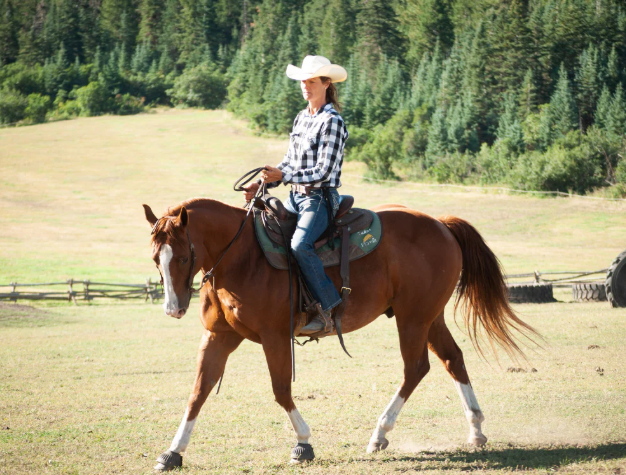
Before a leisurely ride, countless riders stand in front of their wardrobes, struggling with what to wear. While the riding intensity isn’t high and professional racing attire isn’t necessary, wearing inappropriate clothing can lead to a poor riding experience. This article teaches you how to choose casual riding clothing and provides some important considerations, allowing you to comfortably and safely enjoy your leisurely ride.
Basic Principles of Casual Equestrian Clothing
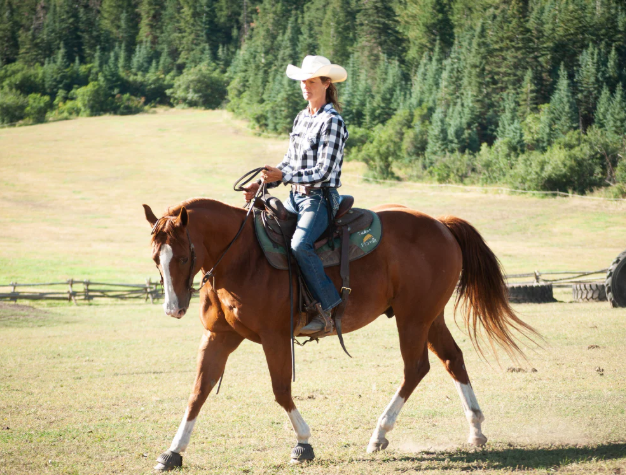
Safety First: Essential Basic Equipment
Helmet (Required)
No matter if you’re galloping along sun-soaked forest trails, nervously mounting a horse for your very first lesson, or perfecting your posture in the arena, one rule remains ironclad: never ride without a helmet. The vibrant colors or sleek design might catch your eye, yet what truly matters is the safety certification. Like the experienced riders I met at a Swiss equestrian camp, who checked each other’s helmets for ASTM/SEI standards before saddling up—because comfort, steady fit, and a snug chin strap spell the difference between a close call and a tragedy. About 80% of reported riding injuries could have been prevented with proper helmets.
Suitable Riding Shoes (Required)
For recreational riding, shelling out for high-end riding boots isn’t a must, but your footwear needs to tick two crucial boxes: a solid heel around the size of a sugar cube—2 to 3 centimeters—to ward off the risk of your foot sliding straight through the stirrup, and sturdy ankle support to anchor you in the saddle and shield against knocks. About 68% of accidents, instructors say, come down to slippery soles or shoes that bend too easily, like everyday trainers, slippers, or flats—all recipes for disaster the moment a horse spooks or takes off.
Functionality as the Core: Reduced Friction, Enhanced Stability
Anti-slip and Stability
The anti-slip patches on riding breeches help maintain a stable riding posture at higher speeds. Even those who choose jeans will secretly reveal some secrets: stretch denim and a smooth, seamless crotch protect the skin from saddle friction.
Preventing Snagging on Reins or Tack
Avoid overly long, flowing scarves, wide sleeves, loose jackets, or hoodies with exposed drawstrings. This is to prevent accidental entanglement and potential hazards while riding.
Details determine the experience
Pocket layout
Secure pockets are crucial for storing: your phone, snacks (for trail rides), and small items like your track pass or keys. Zippered or deep pockets are recommended to prevent items from falling out while riding.
Seam placement
Riding puts significant friction on the groin and knee areas, so avoid: thick outer seams and prominent seams in the crotch area. High-quality equestrian pants typically use flat seams for improved comfort.
Casual Equestrian Clothing vs. Competition Clothing: What Are the Differences?
|
Dimension |
Casual Riding Apparel |
Competition Riding Apparel |
|---|---|---|
|
Purpose/Scenario |
Training, lessons, trail riding, casual riding |
Formal competitions; must follow discipline-specific rules |
|
Style |
wide range of colors |
Neutral, dark, conservative whites and navy |
|
Typical kit |
Tights, polos, boots, safety vests |
Jacket, shirt, breeches, tall boots, helmet |
|
Construction Focus |
Mobility, durability, more paneling for movement |
Structured tailoring, clean lines, refined silhouette |
|
Function Priority |
All-weather adaptability and practicality |
A polished appearance and rule compliance |
|
Price/Investment Logic |
Everyday wear; higher usage frequency |
Specialized gear; higher cost, less frequent use |
Casual Riding Outfit For Men / Women / Children
Riders of different ages, genders, and body types encounter vastly different clothing challenges in actual riding experiences. Below, we analyze the “clothing priorities” for different groups in casual riding from a professional perspective and provide the most practical outfit suggestions.
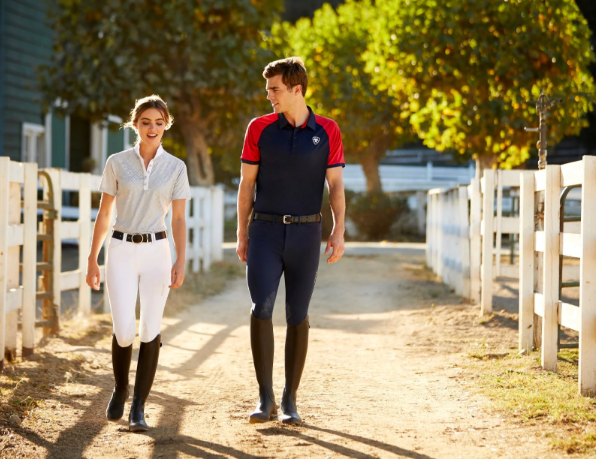
Men’s Equestrian Riding Clothing
For men, horseback riding apparel is more than just a matter of style—they need to pay attention to thigh support and lower back stability, and avoid clothing that is too tight in the groin area. Because of the frequent contact with the saddle, durability and other such requirements are far more important than how vibrant the color looks in photos.
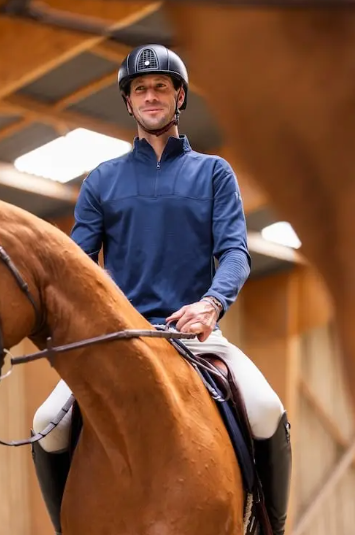
Tops
Simple, well-fitting, and non-bulky functional sports tops/polo shirts; lightweight softshell jackets (spring and autumn) and zip-up stand-up collars (winter) are also options.
Bottoms
Men’s body types vary considerably, so trousers should focus on comfortable groin construction, anti-slip or abrasion-resistant construction on the inner thighs, and four-way stretch. Three options suitable for casual riding:
-Men’s riding tights: Lightweight and breathable, most comfortable for training.
-Men’s breeches: More traditional construction and a more professional look.
-High-stretch jeans: Commonly used for trail rides (but avoid heavy, stiff styles).
Shoes and Accessories
Men generally have wider feet, so be careful when choosing shoes: narrow paddock boots may pinch the toes, especially when riding. For trails, you can choose ankle boots + half chaps to increase stability. Accessories include gloves for enhanced rein grip and a sun hat (for use after dismounting).
Women’s Horse Riding Clothing
Due to the unique structure of women’s hips, leg proportions, and flexibility, women’s needs for riding clothing tend to prioritize: fit, core support, leg anti-slip and muscle-hugging fit, and all-day comfort (no rolling up or slipping down).
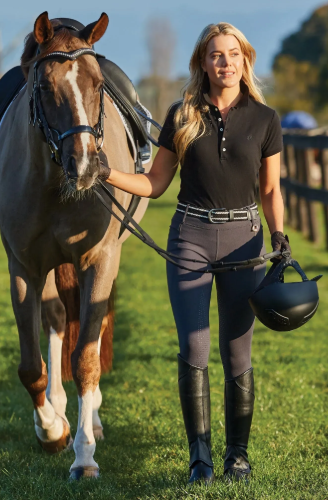
Tops
Stand-up collar with zipper (good shaping effect)
Slim fit (fits the torso and helps maintain riding posture)
UPF long-sleeved sun protection shirt (very practical for outdoor classes)
Avoid: Overly long or loose shirt styles (easily weighed down by the saddle)
Bottoms
High-waisted riding breeches/riding tights are the first choice. Female riders have more diverse body types, so the choice of breeches deserves special emphasis:
-High-waisted structure → stabilizes the core area and prevents slipping down halfway through the ride
-Four-way stretch → does not restrict hip movement
-Anti-slip pads (knee patch or full seat) → maintain stable leg position
-No thick outer seams → does not chafe the thighs
Many female casual riders Riding tights are the preferred choice because they are relatively lightweight, prevent chafing on the thighs, are suitable for beginners to intermediate riders, offer good value, and are easy to put on and take off.
Footwear and Accessories
Women typically have narrower feet, therefore: paddock boots are easier to fit, and half chaps provide more leg stability and prevent chafing. Female riders also use gloves more often because they are more prone to blisters when the reins are wet; long-finger gloves also provide sun protection.
Children’s Equestrian Clothing
Three elements are indispensable for children’s equestrian clothing: safety, adjustability, and lightweight comfort. Considering growth and development, a child may outgrow their previous riding clothes within a year, so price and durability are just as important as functionality. More importantly, under the midday sun, these young riders crave breathable, sun-protective fabrics, not any stiff, stuffy, armor-like gear—they want to ride freely, not be restricted by clothing.
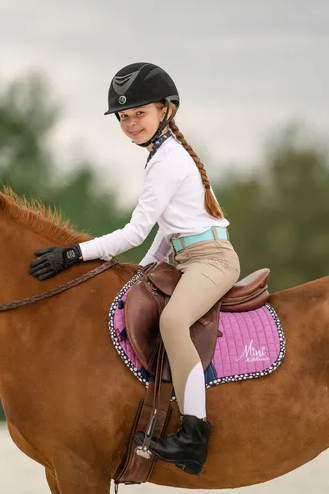
Tops
Polo shirts, long-sleeved athletic shirts, and half-zip training shirts are all suitable for children, as they are sensitive to temperature and can easily feel hot or cold. For safety reasons, avoid hoodies with drawstrings and loose jackets, as they may get caught.
Bottoms
Compared to adults, children’s riding breeches emphasize: softness (kids are more sensitive to fabrics), high elasticity (unrestricted leg movement), and abrasion resistance (children are prone to falls/bumps).
Kids riding tights are the most common choice because they are easy to put on and take off, won’t chafe like regular jeans, won’t affect leg movement while riding, and come in a variety of colors that children are more willing to wear.
Dressing for the Weather: A Seasonal Riding Clothing Guide
Summer Riding: Staying Cool and Protected
Staying cool and protected in summer rides can feel like a science, but outfitting with intention makes all the difference. Once in Arizona’s blistering July, I wore a vented shirt and quick-drying tights—by lunchtime, I felt fresh instead of drenched, while others fought off sweat and irritation. Light-colored gear bounces heat away and UPF 50+ sleeves save your skin, no regrets the next morning. Let your boots breathe too, and trade generic socks for sweat-wicking pairs designed for long hours in the stirrups. Top it off with wraparound shades, helmet visors, and a layer of sunscreen for complete defense.
Example: A moisture-wicking top, mesh-panel breeches, and a helmet with air channels. This combo turns a hot afternoon into something bearable.
Cold Weather Riding: Staying Warm Without Bulk
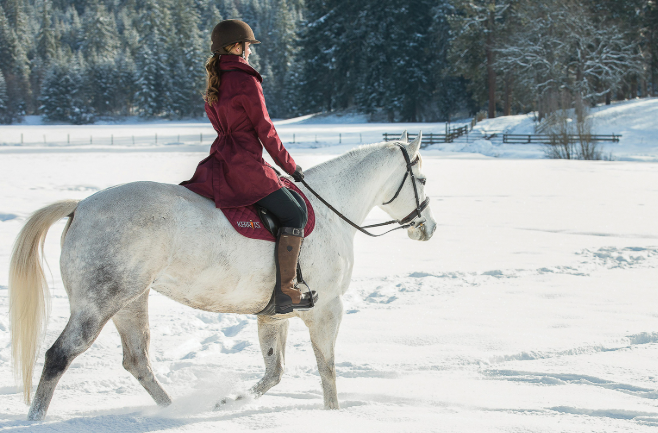
Layer smart. Start with a breathable shirt. Add a soft sweater or classic flannel. Finish with a lightweight vest or jacket. Layers come off and go back on as fast as the clouds roll by.
Switch to weatherproof boots. Grab a pair of gloves if there’s even a whisper of frost.
Thermal base layers (like merino wool or high-tech fleece) are your new best friend. They’re thin, yet warm, and never clammy. I love merino wool. It’s 30% lighter than old-school wool and dries fast.
Top with insulated mid-layers. Think a fitted fleece or a quilted vest. It’s about staying warm yet free to move. You can swing into the saddle with no hassle.
Wrap up in a windproof,waterproof equestrian riding jacket. Choose insulated breeches for your legs. They save you from that bone-deep chill.
Rider tip: I suggest jackets and tights with two-way zippers or back pleats. They let you adjust airflow. You’ll see this feature praised often in rider reviews.
Conclusion
Casual riding attire retains basic functionality but is not as restrictive as competition riding clothing. The right riding attire should feel comfortable and well-fitting, achieving your goal of casual riding—enjoying a pleasant riding experience. Start with a basic style, listen to your body’s feedback after each ride, and gradually develop a set that suits you. Because ultimately, the best riding attire is the kind that makes you forget you’re wearing it, allowing you to fully concentrate on the road ahead and the rhythm of your feet.
If you’d like to select more professional, durable, and comfortable riding apparel for your club or rider team, contact Equifactory. Whether it’s riding training clothes, riding breeches, jackets, or custom equestrian team uniforms, we can tailor-make them to your needs.

0 Comments