
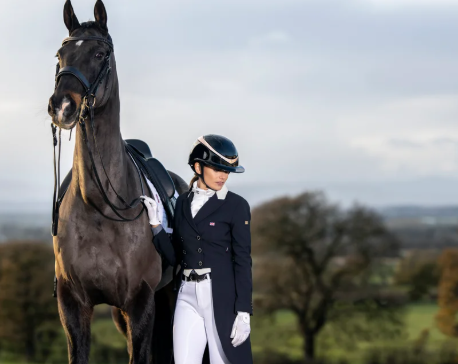
Perhaps you have years of equestrian competition experience and need to upgrade your outfits; or perhaps you’re trying a new equestrian sport. Appropriate equestrian outfit can boost your confidence. What you need is gear that allows you to perform exceptionally well in the saddle while also showcasing your style. This article covers various equestrian styles, from the elegance and refinement of dressage to the rugged practicality of Western riding, and provides essential dressing advice. You will master the art of dressing for all major equestrian sports.
Dressage Outfit Ideas
express personal style. It’s all about playing with texture, fit, and subtle details. Here are three outfit concepts to help you visualize your next show look:
Modern Minimalist
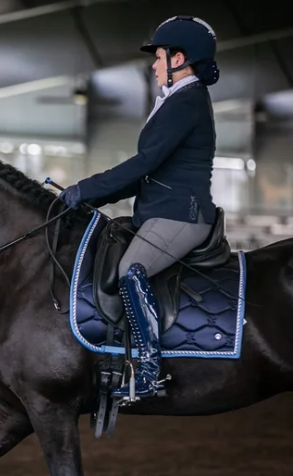
This look focuses on athleticism and clean lines. Perfect for the rider who values function over frills.
-Helmet: Matte finish navy or black with a simple chin strap.
-Coat: A technical soft-shell short jacket. Look for one with hidden zippers and breathable mesh panels. Keep buttons matte.
-Shirt: A crisp white technical shirt with a magnetic collar (no fussing with stock ties).
-Details: White breeches with silicone full-seat grip for a modern, sporty edge. Pair with matte leather boots that focus on durability.
Traditional Luxe
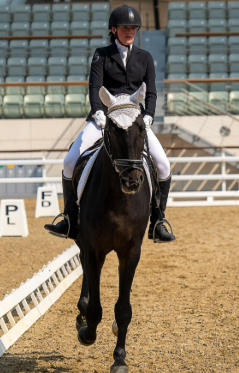
When you want to channel timeless elegance. This style relies on rich fabrics and classic silhouettes.
-Helmet: Black velvet-covered helmet or one with leather-look details.
-Coat: A deep black wool-blend coat (or Shadbelly for upper levels) with silver buttons.
-Neckwear: A traditional white voluminous stock tie secured with a simple pearl pin.
-Boots: Stiff dressage boots with a high “Spanish cut” top to elongate the leg. The leather should be polished to a mirror shine, not patent.
Stylist Note: Remember, in dressage, fit is everything. An affordable jacket that is tailored to hug your waist perfectly will always score higher on style than an expensive coat that bunches at the shoulders.
Show Jumping Outfit
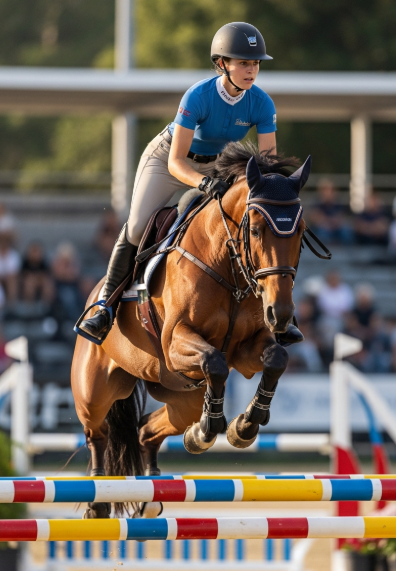
Helmet: Get ASTM/SEI certified in black or dark navy. Always fasten it tight.
Show Coat: Choose polished and breathable fabric. Black, navy, or grey work for classic looks. Forest green or deep burgundy push style limits. These colors still follow the rules for higher levels. On hot days or relaxed divisions, you can skip the coat. But stay neat.
Show Shirt: Keep it collared, tucked, and clean. I suggest crisp white or soft pastel colors. High-level rounds need white collars and cuffs. This creates a clean, modern look. On schooling days, a polo works. But make sure it looks sharp.
Breeches: Jumpers are strict about fit. I like form-fitting breeches with knee patches. Stick to ivory, cream, beige, or white. Save patterns and bright colors for home practice.
Boots: Tall black boots should shine. Both field boots (with laces) and dress styles work. The leather should show you care about tradition and performance. Paddock boots with half chaps work for local classes. But they must stay polished.
Gloves: These are optional but add grip and grace. Black is standard. It shows discipline.
Hair: Keep it sleek and tucked under a net. Nothing should be loose.
Hunter Riding Outfit Ideas
Tradition rules the Hunter ring. You want a seamless look. This lets the judge focus on the horse’s movement and jump. Jumper fashion gets loud, but Hunter style stays quiet. We prioritize quality and restraint. Try these three approved looks:
A-Circuit Classic
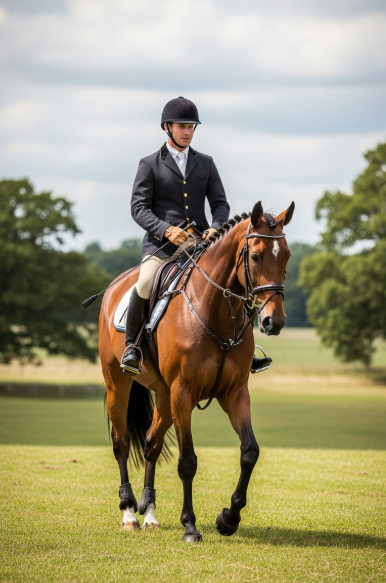
This acts as your safest bet for any rated show. You’ll fit right in, from the warm-up ring to the winner’s circle.
-Coat: Pick a dark navy hunt coat. It might look blue, but it should appear black in dim light. Matte fabric works better than sheen.
-Shirt: Wear a white show shirt with a wrap collar. Keep the neck buttons hidden.
-Breeches: Stick to classic tan or beige with knee patches. Skip full-seat breeches usually. If you must wear them, match the seat color to the fabric exactly.
-Boots: Black field boots with laces work best. Shine them until they look new.
Heritage Revival
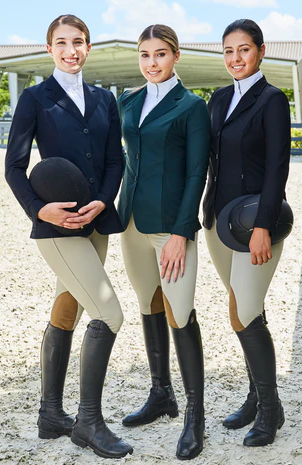
Want to honor the sport’s roots? This look follows the rules but adds history. It fits well in “Handy” rounds or Hunter Derbies.
-Coat: Choose a subtle dark plaid, herringbone, or deep Hunter Green jacket. The pattern should disappear from 10 feet away.
-Breeches: Go for “Green-beige” or try the “Rust” trend. Rust is making a comeback, but check your show rules first.
-Helmet: Use a traditional look. A wider brim frames the face well. Matte black or soft velvet works best.
-Gloves: Dark brown or black leather. Never wear white.
Eventing (Three-Day Event) Outfit
Eventing is the ultimate equestrian triathlon. It calls for skill, discipline, stamina, and style. I’ve stood ringside on misty mornings. I’ve watched the dust rise on cross-country fields. Each phase of eventing needs its own look. The look must be practical and rooted in tradition.
Dressage & Show Jumping Phases
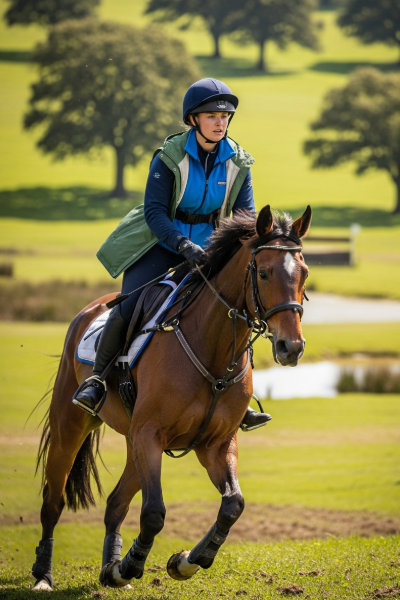
Think of this as your canvas. It should be crisp and polished with just enough detail.
-
Breeches: I see most riders in fresh white. But shades of buff, fawn, navy, or black work too, particularly at local shows.
-
Show Shirt: Tradition is king here. Shirts must be conservative. Pure white is a safe bet. I’ve spotted pale pastels under a show coat. Always choose a stand-up or ratcatcher collar. Stocks or ties? Yes. White stocks with a navy or black coat look sharp. Colored stocks pair well with tweed for that countryside touch.
-
Jacket or Show Coat: Dark hues rule. Black, navy, or tweed at grassroots. Tailcoats mark a seasoned rider at intermediate or advanced levels. At smaller or beginner events, the jacket is sometimes optional.
Cross-Country Phase
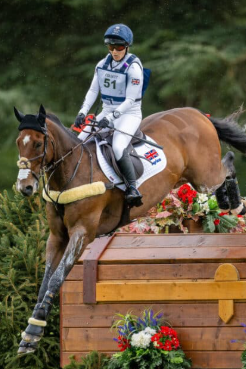
-
Body Protector: This is non-negotiable. BETA Level 3 (2018) or the latest meets the standard.
-
Helmet: Use a jockey skull cap with no peaks. Top it with a colored silk or your stable’s cover. This adds team spirit.
-
Base Layer/Shirt: I recommend long sleeves. The color is your choice. Team stripes or bold primaries appear on many young riders as they leave the start box.
-
Gloves: Optional, but I recommend them. Nothing ruins a ride like slippery reins on a rainy afternoon.
-
Breeches & Boots: Keep to the standards. Most ride out in the same breeches and boots from dressage. Pay attention to fit and comfort.
-
Spurs: Optional, but must meet eventing rules.
-
Number Bib: Essential. You need your competition number displayed fast and clear.
-
Safety Vest: Cross-country demands it. Those certified at SEI-ASTM, CE Level 3, or Beta Level 3 make the cut.
Western Riding Outfit
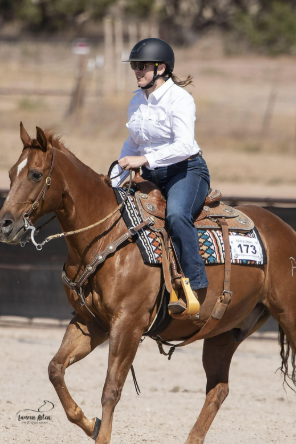
This style is getting very popular. It skips the “glitz” of Pleasure classes. You get a clean, historic working look instead.
-
Shirt: Wear a crisp, starched button-down shirt with a collar. Solid colors or plain plaids work best. Skip the crystals.
-
Neckwear: Tie a silk “wild rag” (square scarf) in a knot. Or use a slide. It adds color and honors cowboy history.
-
Legwear: Put on heavy starched blue jeans. Yes, iron a crease down the front! Wear “Chinks” (knee-length chaps) instead of full ones.
-
Boots: Use working cowboy boots with a flat or roper heel. They should look used but clean.
Stylist Note: In Western riding, starched jeans show you care. Maybe you aren’t wearing chaps. Make sure your jeans are long enough anyway. They should stack on your boot when you sit. Iron them well to show respect for tradition.
Working Equitation Outfit
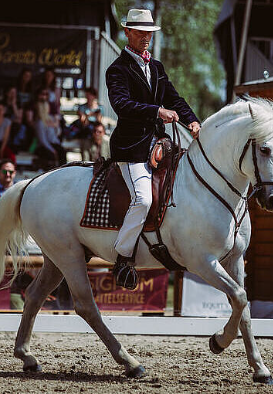
The “Iberian Classic”
This is the soul of Working Equitation. It pays tribute to the working vaqueros of Portugal and Spain. You look breathtaking in the ring.
-
The Jacket: A short waist-cut jacket (waistcoat). It stops at the belt line. This lets your hips move well for lateral work.
-
Pants: High-waisted equestrian pants(often with suspenders) or a split riding skirt for women. Look for distinct buttons down the leg.
-
Headgear: A broad-brimmed felt hat (Sombrero). Wear it flat and low. Note: Check safely rules. Many competitions mandate helmets for speed rounds now.
-
Boots: Tall leather boots or specialized gaiters with matching shoes work best.
Fox Hunting Outfit
Think of fox hunting attire as a language. Buttons, collars, and boot tops reveal your rank and experience. Rules shift based on the season (“Cubbing” vs. “Formal”). Dress to respect the sport and the Master of Foxhounds.
The “Ratcatcher” (Informal/Cubbing Season)
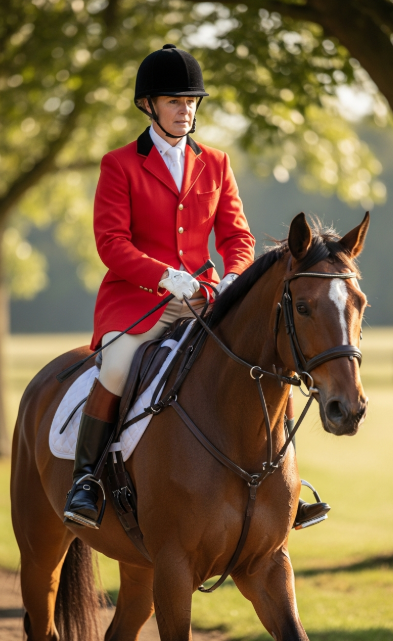
Attire stays relaxed before the formal season opens in autumn. You want to blend into the woods.
-Coat: Tweed sets the standard here. Choose brown, green, or muted plaid hacking jackets. They hide dirt and look right at home in the countryside.
-Shirt: Men wear a colored shirt with a collar and tie. Women need a colored stock tie or ratcatcher collar.
-Legs: Wear buff, tan, or rust breeches. Keep the bright white pairs for later.
-Boots: Brown field boots work well during this season.
The “Formal Season” (The Classic Kit)
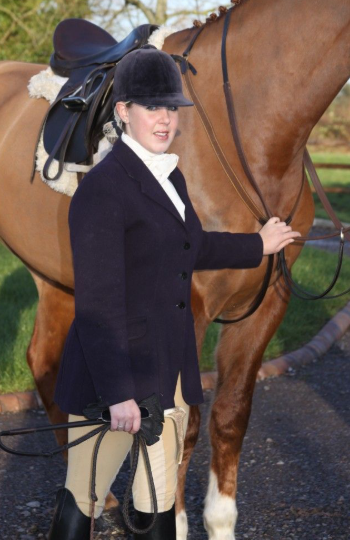
The dress code tightens at the Opening Meet. Riders switch to a uniform of black and white.
-Coat: Pick a heavy black or navy Melton wool coat. It stops branches and keeps you warm while standing still. (Note: Only Masters or those with “colors” wear red “Pink” coats).
-Neckwear: A white stock tie is mandatory. Make it voluminous and secure it with a plain gold horizontal pin. It also works as a bandage for a horse or rider in emergencies.
-Breeches: Choose canary, tan, or buff. Staff or men in scarlet wear white, though rules vary by hunt.
-Details: Attach a sandwich case and flask to the saddle D-ring. Use string or heavy leather gloves for grip in rain or snow.
Final Thoughts
The “perfect” outfit makes you feel capable and secure. It gets you ready to perform. We covered tradition, but equestrian fashion keeps changing. That is exciting. You see more breathable athletic fabrics now. Helmet tech is safer. Cuts fit real bodies in motion. We get all this while keeping that classic silhouette we love.
My best advice? Use these ideas as a base. But check your show association’s rulebook before buying. No one wants to get eliminated for a wardrobe mistake. Invest in quality where it counts, like boots and helmets. And show your personality where you can.

0 Comments