
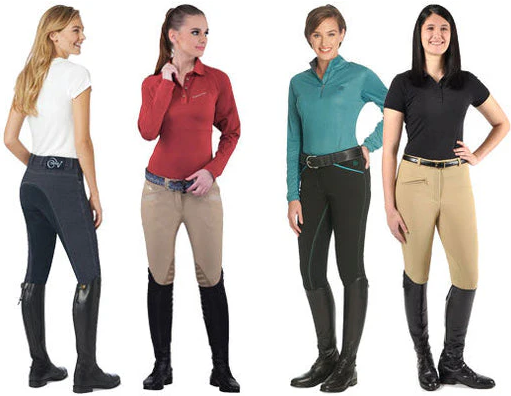
Check out knee patch and full seat breeches on the rack. They look identical. But sitting in the saddle tells a different story. The designs feel completely different. It stops being about looks here. The choice impacts your stability and freedom of movement. It also shapes the way you connect with your horse.
Are you a beginner hunting for extra security? Or a jumper needing to hover in a smooth two-point? Your specific discipline drives the decision. You might be buying your first pair or upgrading show gear. We skip the confusing jargon in this guide. You get to decide between the precision of a knee patch or the total coverage of a full seat.
Core Design & Grip Philosophy: Targeted vs Total Coverage
What Are Knee Patch Breeches?
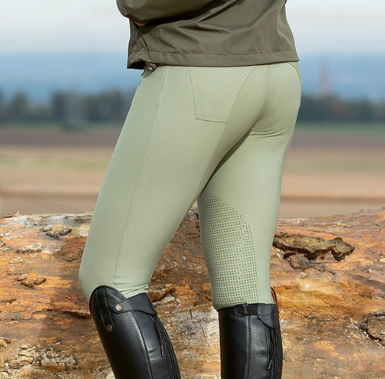
See knee patch breeches as the precision tool in your riding closet. The design works simply. You get grip right where you need it. You won’t find it anywhere else. We place reinforced panels on the inside of the knee. You can choose either traditional suede or modern silicone options here. This setup acts like a precise brake. You get enough friction to steady your leg against the saddle flap. This helps you during tough moves. But it keeps your seat and hips free. Nothing holds them back. This focus makes them top choices for jumping. You get full freedom to move. So, you keep a light position. You never feel glued to the seat.
What Are Full Seat Breeches?
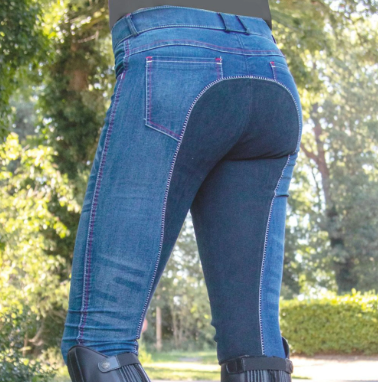
If knee patches are about freedom, full seat breeches are about total connection. Think of them as a complete anchoring system for your lower body. The grip material—whether it’s classic suede or sticky silicone—doesn’t stop at the knee. It starts just below the belt, wraps under your seat, covers the inner thighs, and extends all the way down to your ankles. The goal here is maximum contact. By increasing the friction area, these breeches practically “connect” you to the leather. They are designed to eliminate sliding, keeping your hips and legs quiet so you can focus on a deep, unified seat with your horse.
Knee Patch vs Full Seat Breeches: key differences
Grip and Stability Showdown
Full Seat Breeches: Security comes first here. You get a “locked-in” stability that other styles just don’t offer. They help you sit deep and use your core. Think about working on collection in Dressage. Plus, dealing with a spooky horse gets easier. That extra stickiness from seat to ankle acts as a lifesaver. It stops you from sliding off during unpredictable moments.
Knee Patch Breeches: You’ll notice a much lighter feel. The grip is smart. It steadies your leg but leaves your seat free. You won’t feel stuck. Active riders usually love this. Need to pop into a two-point or rise for a trot? You move fast. No fighting against pant friction.
Mobility and Comfort in the Saddle
Knee Patch Breeches: Think of these as your “active wear” for riding. You have no heavy leather or silicone panel on your seat. This makes the fabric breathe better. It changes the game for long summer training days or hot climates. You feel free. Your body moves with ease. You won’t have a thick extra layer holding in heat.
Full Seat Breeches: Pull these on. You get a feeling like a supportive hug. Yes, they are stiffer. Also, they stay warmer due to the extra material. Do you crave security? You will find that “wrapped up” sensation comfortable. It cuts down muscle fatigue. You stop straining to grip the saddle all on your own. You trade a little freedom. You gain a lot of support.
Discipline-by-Discipline Guide: Matching Breeches to Your Ride
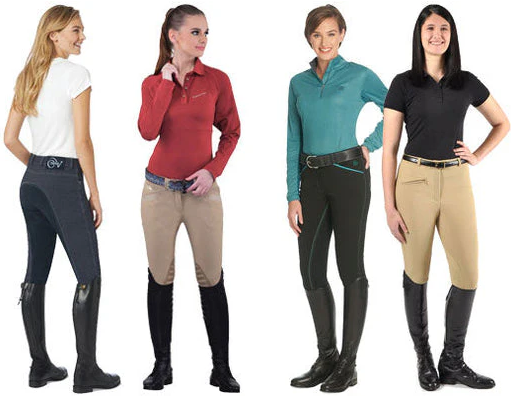
When to Choose Knee Patch Breeches
Show Jumping & Hunter Riding: This is the natural habitat for knee patch breeches. Because you spend so much time navigating courses in a two-point position, your hips must be able to fold and leave the saddle effortlessly. A sticky full seat would only fight against you, creating drag when you need to hover. Knee patches give you stability at the leg while leaving your seat completely free to move.
Daily Training & General Riding: Think of these as your versatile “daily drivers.” They strike the perfect balance for schooling—providing enough grip to keep you secure during flatwork, but remaining comfortable enough for hours of barn chores. They are the practical, all-purpose choice for your everyday riding wardrobe.
Hot Weather Riding: It comes down to simple physics: less material means better airflow. Full seat breeches effectively add a layer of leather or silicone across your entire seat, trapping heat. Knee patch styles skip that bulk, making them the significantly cooler option for summer riding.
When Full Seat Breeches Are the Superior Choice
Dressage: Success here relies on a deep, unified connection. You need to sit into the saddle to influence the horse’s hindquarters effectively. The extensive grip of a full seat helps you maintain that quiet, glued-in position without sliding, making it easier to sit the trot and ask for collection.
Trail & Endurance Riding: When you are out on unpredictable terrain for hours, fatigue sets in. A full seat provides an extra layer of security that helps hold you in the saddle on steep hills or during sudden spooks. It reduces the muscular effort needed to stay centered, saving your energy for the long haul.
Building Confidence for Beginners: Learning to ride feels unstable at first. The “locked-in” sensation of full seat breeches acts like a safety net. It minimizes sliding, helping new riders find their balance faster and focus on their hands and legs rather than worrying about slipping off.
Beyond the Grip: Material, Care, and Cost Considerations
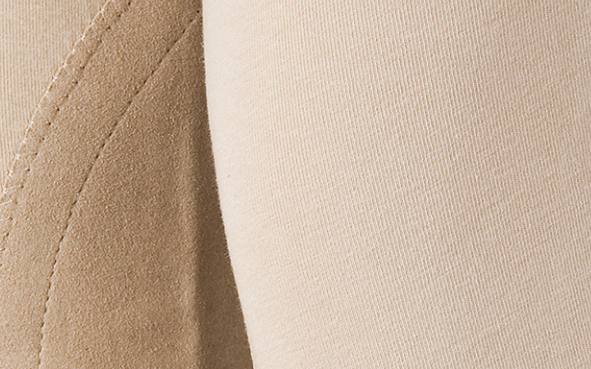
Material Technology: Suede, Leather, and Silicone
Grip material defines the ride. For decades, synthetic suede (or faux leather) stood as the favorite choice. You get a classic, soft connection. It creates subtle friction rather than sticking hard to the saddle. This gives you stability without feeling glued down. Plus, break it in and it molds to your body. The material breathes well and lasts long. Riders wanting a traditional, natural feel prefer this style.
Now, silicone provides modern grip technology. Manufacturers print silicone patterns right on the leg. No extra fabric goes onto the breech. The result? Closer contact with the horse. You have less bulk between you and the saddle. Silicone offers “super grip.” It feels much stickier than suede. Care is easy too. It won’t stiffen up after a wash. Knee patch breeches use lightweight silicone for agility. Full seat styles offer both options. Choose silicone for maximum lock and less fabric. Stick with suede for a padded, softer ride.
Durability and Maintenance Face-Off
Knee Patch Breeches: These are the low-maintenance workhorses of the barn. Since the design is simpler and the grip area is small, there is simply less material to wear out or peel over time. They are generally tougher. You generally don’t need to stress over laundry day. Most pairs handle a standard machine wash without complaining, making them a durable choice for daily abuse.
Full Seat Breeches: With great grip comes more responsibility. Because that grippy panel covers so much surface area, it takes a lot of friction against the saddle. This means they often show signs of wear sooner than simpler styles. They also tend to be “laundry divas.” You need to treat them carefully—cold water washes are a must, and the dryer is the enemy. High heat can ruin the shape and cause silicone to peel, so you have to commit to air drying them if you want them to last.
Price Comparison and Investment
Let’s look at the real costs. Full seat breeches demand a higher price. You see a price tag 20% to 40% higher than a similar knee patch pair. This markup makes sense. You get extra technical material since that grip fabric isn’t cheap. Plus, the sewing takes more work. It makes the seat fit smooth without bunching.
Need a rough estimate? A quality pair of knee patch breeches sits between $80 and $200. These serve as cost-effective options for training. Full seat breeches ask for a bigger commitment. Prices start around $120 and go past $350 for top brands. Building a budget-friendly wardrobe? Stock up on knee patch pairs for barn work. Then, put money aside for one high-quality full seat pair. Save those for shows or clinics.
Summary
The choice between knee-strap breeches and full-saddle breeches ultimately depends on your riding style, training program, and preferred level of support in the saddle. Knee-strap breeches offer freedom and flexibility, while full-saddle breeches provide stability and support—each has its advantages in daily training and competition.
Ready to custom riding breeches that truly match your style, discipline, and performance needs?
As a professional custom horse riding pants supplier, we offer a full range of personalized customization services, from fabric selection and patch types to pattern details, to help you create the perfect riding gear.

0 Comments