
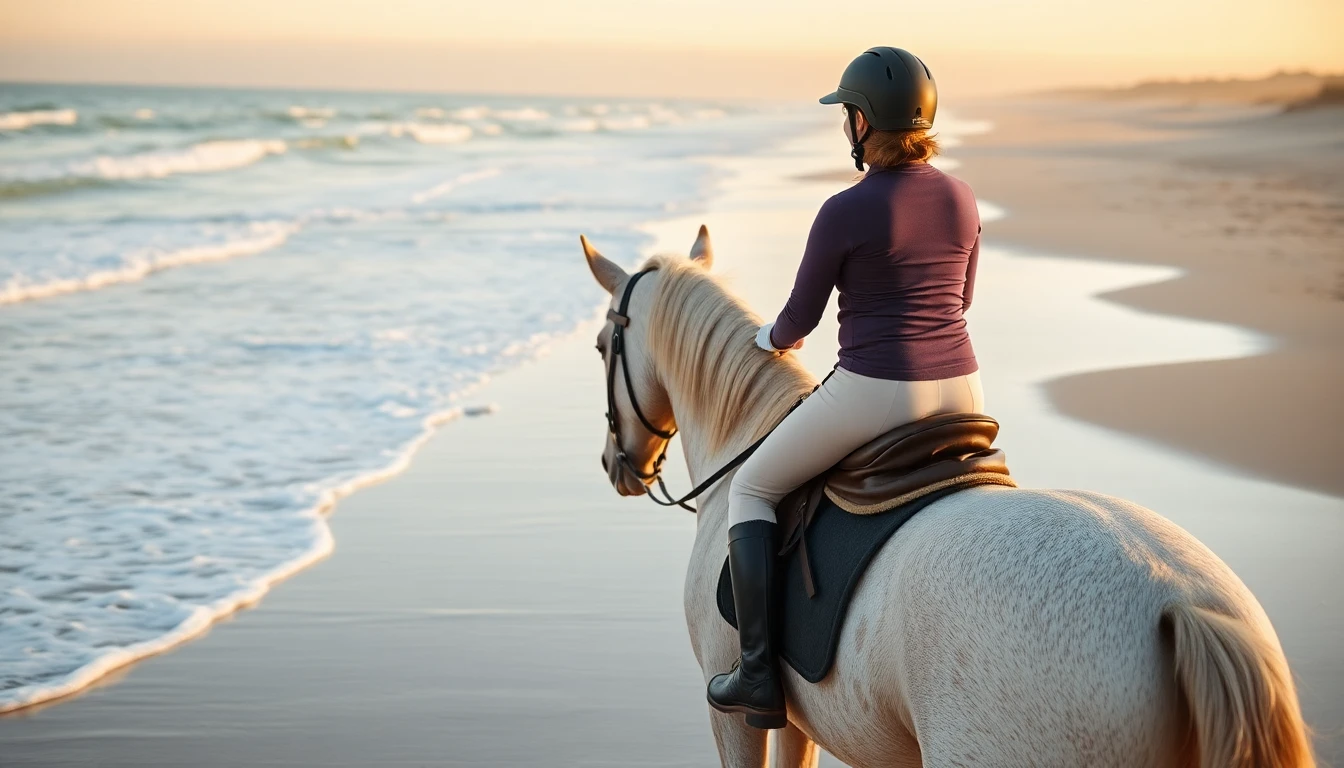
Have you ever dreamed of riding a horse across golden sands, feeling the sea breeze on your face? Beach riding is one of the most unforgettable experiences for riders, but it comes with some challenges. The combination of sea salt, sunshine, and waves means that the gear you normally wear in the stables won’t be suitable.
Beach horseback riding is one of the most thrilling experiences—but choosing the right beach horseback riding outfit is essential. This complete beach riding gear guide will detail what you should wear on the beach—from breathable shirts and waterproof breeches to proper helmets and boots—so you can focus on enjoying the adventure, not enduring discomfort.
The Foundation: Essential Equestrian Outfits for the Beach
Sun-Smart and Breathable: The Right Riding Tops
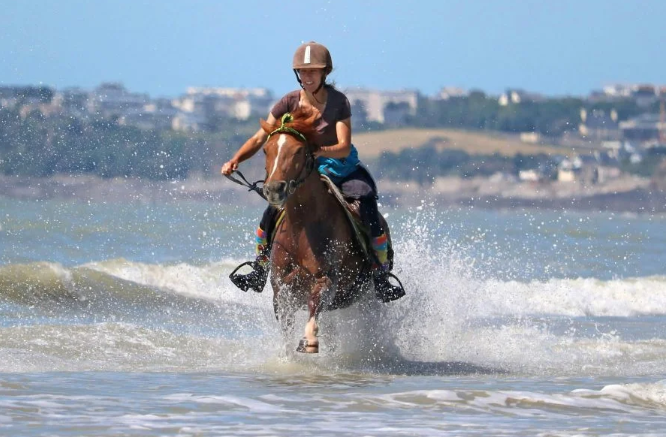
Start with a fitted shirt that feels almost invisible. It does more than you’d guess. Long sleeves protect you against sun, wind, and scratchy coastal brush. I recommend moisture-wicking, quick-dry fabrics like technical blends or soft microfibers. These tops dry fast after sea spray or sweaty rides. They keep dampness at bay.
UPF-rated shirts (UPF 30–50+) give you strong UV protection. You can ride longer without worrying about sunburn. If you’re riding somewhere hot, I suggest shirts with mesh underarm panels and vented sides. They offer more airflow and less stickiness. No trade-off in coverage. Light-colored fabrics work like magic. They bounce sunlight right back. They keep your core temperature down.
On overcast days or for short rides, a fitted short-sleeve or tank works. But watch out for sneaky sunburns. Always factor in the length of your ride and the forecast.
The Right Bottoms: Riding Tights, Breeches, and Beach-Ready Pants
A beach ride needs serious comfort from the waist down. Long pants are a must. Choose what works for you: breeches, riding tights, or flexible jeans. Here’s the breakdown:
-
Riding tights are the favorite for many. They’re lightweight and quick to dry. Even wet sand doesn’t stick to them.
-
Technical breeches work best when you value grip. They’re a must for rugged or steep stretches. Silicone or suede knee patches make the difference.
-
Light-stretch denim jeans bring durability. Be picky though. Go for styles with minimal inner seams and a bit of give. Long rides won’t leave you sore.
In the heat, pants with mesh calf or ankle panels make tall boots bearable. They let air flow. They keep sweat from pooling. Don’t be shy about color. Lighter, brighter pants keep the heat away. They help you stand out if your ride continues past sunset.
Beach Boots and Footwear Essentials
Your boots are safety anchors on shifting sand. Closed-toe boots or riding shoes with a distinct 1–2 inch heel give you stability in the stirrups. They protect you from accidental horse steps.
Paddock boots work best at ankle height. They’re built for breathability and paired with half chaps. They’re ideal when the sand is hot and the water’s splashing. If you love tall boots, look for models with vented sides or quick-dry linings. Old-school leather traps sand and gets steamy.
Leave sandals, sneakers, and any open-toed shoes at home. The numbers back this up: over 90% of apparel-related riding accidents happen due to poor footwear or loose garments. On wet days, water-resistant boots or washable insoles make a big comfort difference.
Specialized Gear for Beach Horseback Riding Conditions
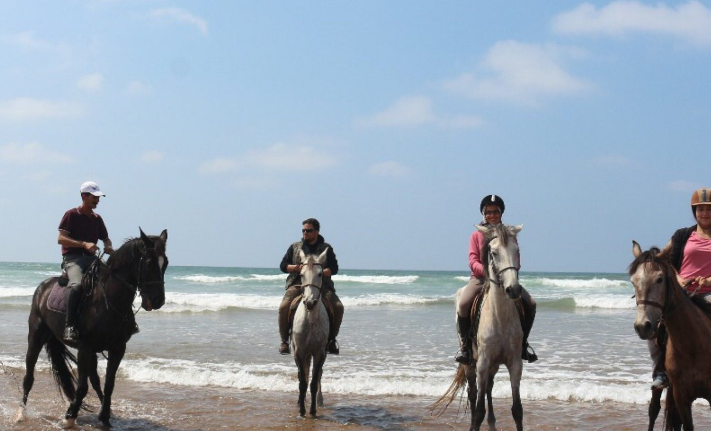
Beach horseback riding is a thrill—but wind, surf, and sunlight demand the right gear. These essentials help you ride smarter. Every moment stays sun-soaked and safe.
The Best Helmets for Beach Horseback Riding
A helmet isn’t just a box to check—it’s your lifeline by the water. Never swap in a bike or skate helmet. Certified equestrian gear is what you need. I recommend a lightweight, well-ventilated riding helmet made for beach rides.
Check the certification code before you buy: ASTM F1163-15, SEI, PAS015, VG1 01.040, or a Kitemark tag. Based on my experience, these ratings mean real-world protection. Crush tests, impact resistance, sharp anvil checks—they cover it all. The shell is hard fiberglass. The inside is springy EPS foam. That foam is one-time use.
Eye Protection: Sunglasses and Goggles Built for the Beach
Riding into the surf, the sunlight can be dazzling. I like a quality pair of polarized sunglasses—they’re a game changer. They block glare from the water and white sand. The world looks more vivid. Your ride feels more comfortable.
Stick to lenses with UV400 protection. Your eyesight stays safe. No one wants a sunburn on their corneas. Photochromic lenses adapt to changing light. They make sunset rides a breeze.
Hand Protection: Technical Riding Gloves for Sandy, Salty Rides
Beach rides wear on your hands fast. Reins turn slippery. Sand gets everywhere. I recommend riding gloves made for this environment. Look for technical mesh, synthetic leather, or microfiber. These fabrics dry fast. They breathe well.
Extra reinforcement between thumb and index finger is key. No splitting or blowouts right when you need your grip most. In warm, beachy air, gloves with mesh panels or ventilation holes make all the difference.
Additional Essentials and Tips for Beach Horseback Riding
Smart Packing: Little Details, Big Difference
Hydration is everything. Always pack a water bottle. I choose insulated if I can. The salt air and summer sun dehydrate you fast. This happens even faster if your ride stretches past noon.
Sunscreen and SPF lip balm are your best friends. I throw the tube in my day pack or fanny pack. Apply again every couple hours. The reflection off sand and water is no joke.
Insect repellent matters. Beaches can be buggy. This is common if you cross marshland spots. I go for an eco-safe option. It won’t bother the beach ecosystem. It also won’t irritate your horse’s sensitive skin.
Rain or wind jacket: Weather changes fast on the coast. Tie a lightweight jacket to my saddle. It saves me during sudden downpours or cool winds after sundown.
Stay Safe, Stay Hands-Free
Helmet, always. I insist on this for younger riders (under 17, it’s mandatory). Adults, be smart. A helmet has saved so many afternoon adventures. I look for certification (ASTM, SEI, etc.).
Day pack or fanny pack: I keep all my must-haves close. My hands stay free for the reins and quick beach snapshots.
Secure undergarments:A supportive sports bra or athletic support. It keeps things comfortable on a bumpy trail. It also helps during speed.
Comfort Tricks for Real-World Rides
Bring a spare set of clothes. Caught in a wave or splashed by your horse? No problem. Fresh, dry gear awaits you post-ride.
Motion sickness tablets can help. I suggest these if you’re new to horses. They work if the sea breeze gets your head spinning.
Headlamp or flashlight: Even magical dusk rides can run late. I prepare to find my way back safe. This matters if the sun goes down before you do.
Cold water or electrolyte drinks: Regular water is vital. But on super-hot days, I pack a chilled extra bottle. It makes all the difference.
What NOT to Wear Horseback Riding on the Beach
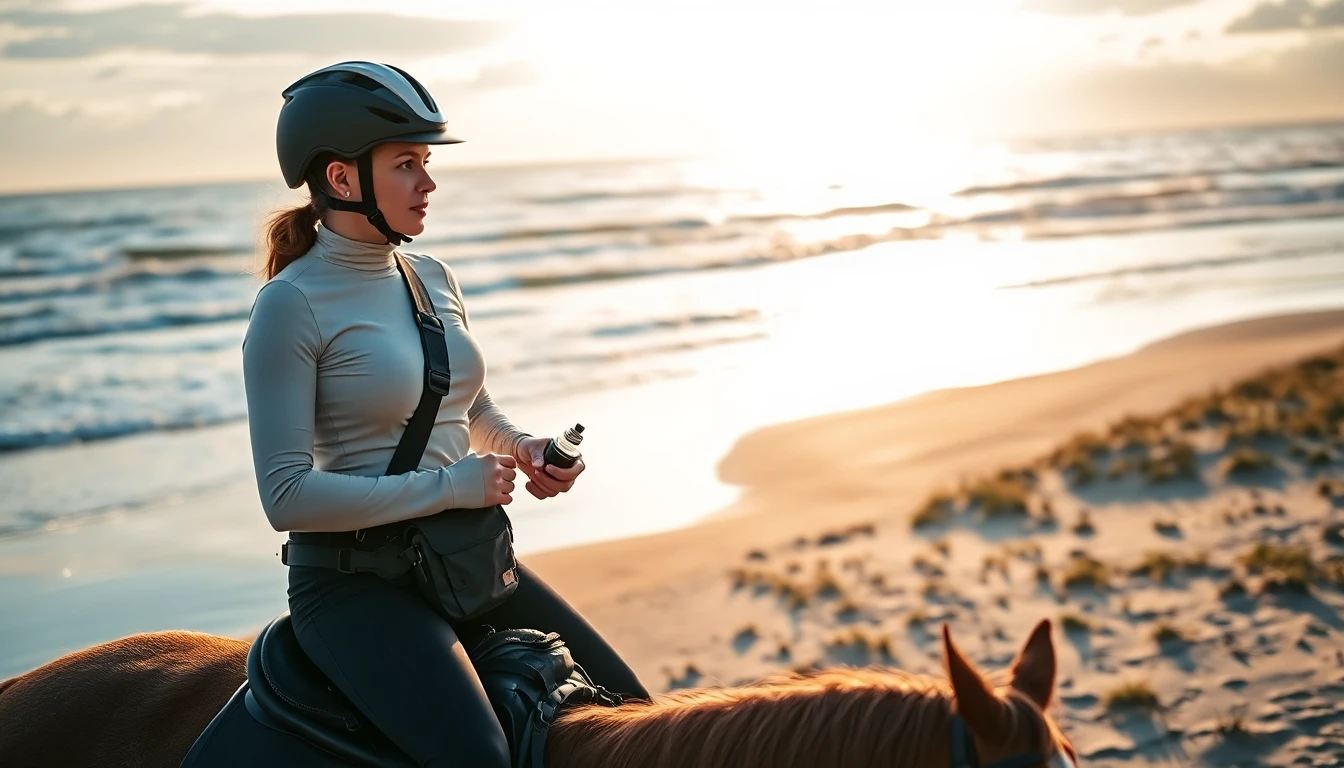
Are you dreaming of windswept horseback photos on the sand? Stop. Don’t pack that flowy dress or floppy hat yet. I’ve seen too many riders learn this the hard way. What looks cute on camera can be unsafe in real life. Here’s my honest take on what to leave out of your beach riding outfit.
The Big Don’ts: Materials and Clothes That Spell Trouble
Heavy denim jeans or flannel shirts might seem casual and “Western-chic.” But they’re terrible for beach rides. These fabrics soak up water like a sponge. They refuse to dry. They cause saddle sores and nasty chafing if you get splashed. I’ve seen riders sit in a wet patch at the shore for just a few minutes. Their clothes became heavy, sticky, and unbearable.
Shorts are a comfort trap. The saddle will rub your skin raw. I’d say 90% of riders regret wearing them. Most don’t even make it to the halfway point before they’re uncomfortable.
Skip Scottish kilts, super low-rise jeans, and thong underwear—if you’re even tempted. Wind, bouncing, and horse motion mean exposure. You’ll spend the whole ride adjusting. You’ll be uncomfortable the entire time.
Loose Accessories and Headwear
Got loose scarves and floppy hats? Leave them in your beach bag. I recommend this from experience. Coastal winds will whip scarves into your face. Or worse, into your horse’s face. You’ll spend more time chasing your hat down the shoreline than enjoying your ride. These flying fabrics spook horses. That’s the last thing you want.
Unsecured sunglasses will fall off. Those oversized, fashion ones? They’ll break as you ride over bumpy sand. I suggest wraparound sports shades if you must bring eyewear.
Shoes to Refuse—and Why It Matters
Never wear slippers, flip-flops, or sandals. This isn’t just style advice. It’s about safety. Open-toed shoes offer zero protection. What happens if your horse steps on your foot? Yes, it happens. Most stables won’t let you ride without boots or closed-toe shoes.
Hiking boots with thick soles? Also on the no-go list. They can’t fit into normal stirrups. They make it easier to slip.
The Hidden Dangers of Loose Clothing
Loose-fitting shirts and wide-flow sleeves may look casual-cute. But they catch on your saddle or tack in a split second. I’ve seen this happen. That quick snag spooks your horse. It makes you lose your balance. Go for streamlined, fitted styles. I wear them every time.
No Smoke, No Holsters, No Fire Risks—Ever
Think twice before lighting a cigar or bringing smoking items. Open flames are a known hazard with horses. Add the coastal breeze to that mix. Smoking is risky for you. It’s also dangerous for the animals around you.
Comfort, Safety & Practical Considerations
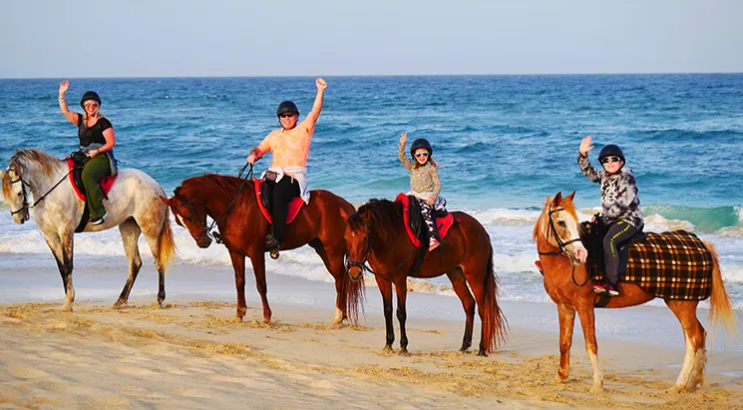
Beach horseback riding requires comfort and safety as must-haves. Your outfit and planning make the difference. You’ll have either a dreamy day by the waves or a miserable, cut-short adventure.
Pre-Ride Safety & Operator Checks
-
Stables’ Guidelines: Most reputable centers enforce weight limits—often 200–250 pounds. This protects you and the horse. Be honest about your weight and fitness level.
-
Safety Briefings: Good operators provide clear instructions for every level. First-time rider or experienced? You’ll get guidance. Beginners receive patient instruction. Most centers limit speed on the beach. This protects riders and equipment.
-
Horse Acclimatization: Give horses time to adjust to new sights, sounds, sand, and waves. Start slow in shallow water before going further.
-
Traffic & Environmental Awareness: Horses often share space with parking lots and public trails. Good riders and guides help horses get comfortable with unpredictable scenes.
Environmental & Community Responsibility
Respect Local Rules: Some beaches prohibit horses to protect sensitive wildlife. Follow marked trails. Keep a respectful distance from nesting or feeding animals. Leave no trace.
Tide & Weather Checks: Check tides and weather before heading out. An incoming tide can be swift. It’s dangerous for horses and riders.
Aftercare & Recovery
Expect some muscle ache. Most riders report moderate soreness the day after. Stretch, hydrate, and treat yourself to a hot bath. Based on my experience, good preparation means you’ll come away with memories, not just aches.
Equipment Care & Operator Selection
Saddle & Tack Protection: Most guides won’t let you go deep into the surf. Salt water is tough on leather saddles. It can ruin expensive gear—something you want to avoid.
Check Reviews: Browse online reviews for stables before booking. I suggest places with high ratings and detailed safety policies. They offer a worry-free experience.
Conclusion
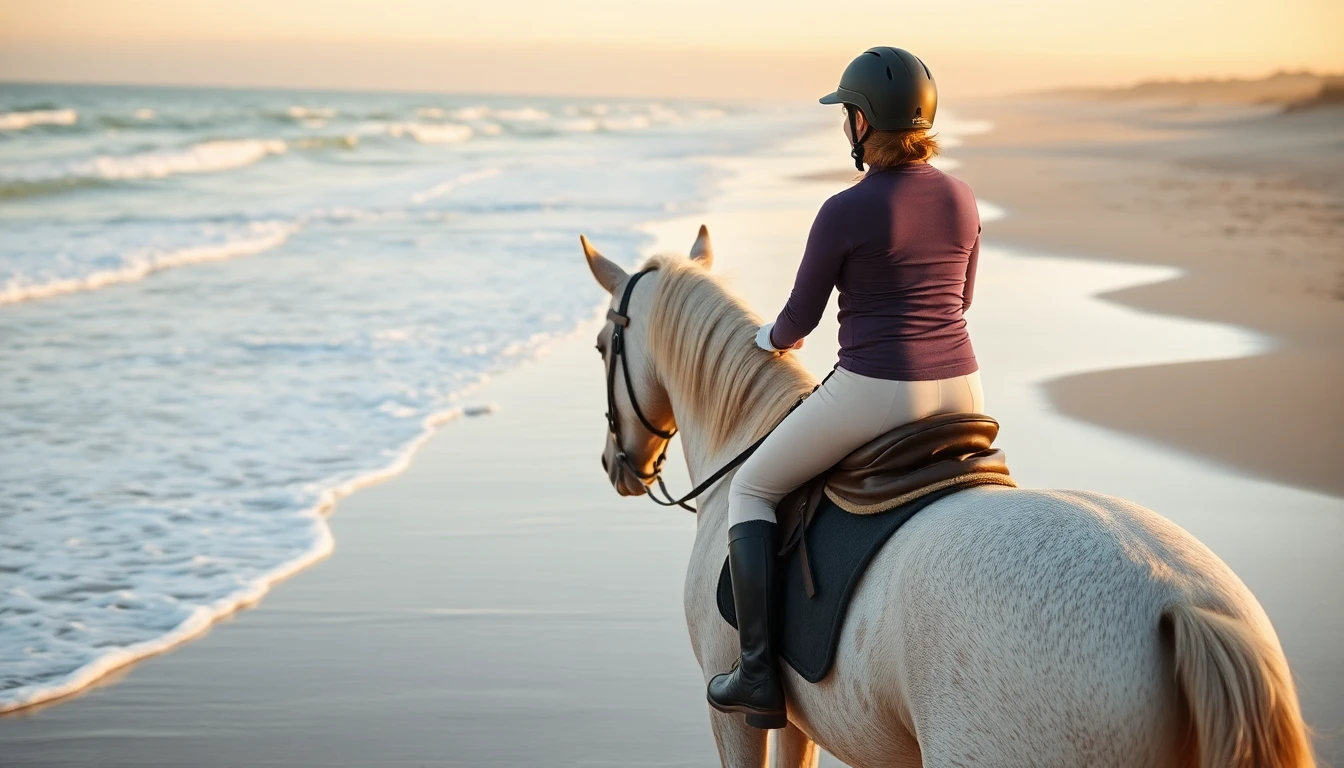
So whether it’s your first or fiftieth beach ride, one thing remains constant: the right gear can completely transform your experience. It’s not about posing for photos—it’s about confidence, safety, and connection.
That’s why many leading equestrian brands and retailers trust Equifactory to create high-performance custom horse riding apparel—from breathable shirts and quick-drying breeches to professional beachwear.
Dress smartly and be ready to ride. Build your brand with gear that combines style and performance.
👉 Start your custom equestrian wear journey today.

0 Comments