
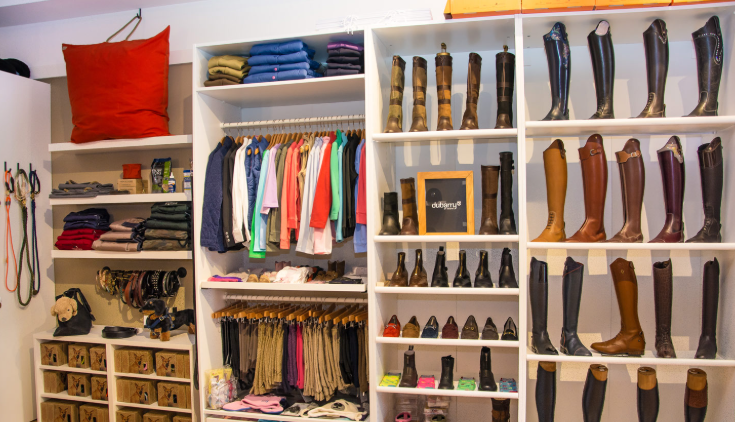
Proper maintenance is more than just keeping your riding gear clean; it’s an effective way to protect your gear and ensure it performs at its peak. Whether you’re a professional rider managing your own gear or working with a leading equestrian brand, understanding these maintenance principles is crucial.
This guide provides professional-grade equestrian gear maintenance solutions to extend the life of your gear—a common concern for riders, retailers, and all equestrian clothing wholesalers.
The Foundation of Fabric Longevity: Pre-Wash Protocol
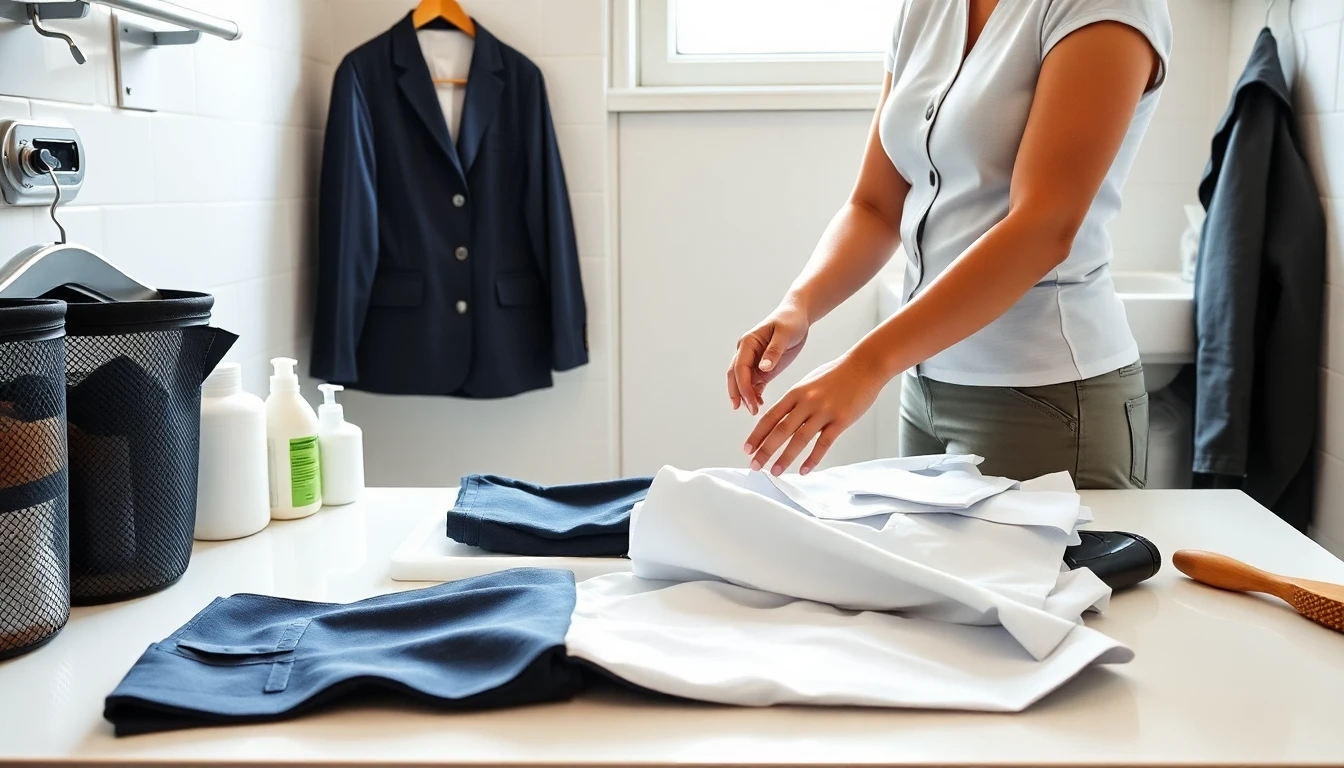
A meticulous pre-wash routine is the most effective step against wear and tear. Rushing this phase can set the stage for irreversible damage.
Intelligent Sorting: Beyond Colors
Start by sorting not just by color (lights vs. darks), but critically by fabric type. Technical blends used by advanced equestrian brands are particularly vulnerable to dye transfer and abrasion.
Action
Group heavy cottons (like some casual show shirts), delicate synthetics (breeches), and performance membranes (jackets) separately.
Pro Insight
This level of care is why a reliable equestrian wear manufacturer will provide detailed, fabric-specific care instructions. Following them is key to maintaining warranty and performance.
Prep Like a Pro
Remove horsehair and debris: Use a lint roller or soft brush. Pay extra care to seams and linings on jackets. For thicker gear like saddle pads, try a quick vacuum or shake them outside.
Unfasten and secure: Undo buttons, cuffs, and zippers. Fasten any Velcro or hooks so nothing snags in the wash.
Turn inside out: This simple step prevents pilling and fading. For delicate tops and coats, slip them into a mesh wash bag. Riders who do this see their apparel last up to 30% longer. Some pieces need the gentlest touch or even dry cleaning. This is true for wool show coats. Take 20 seconds to double check.
The Washing Process: Techniques for Technical Fabrics
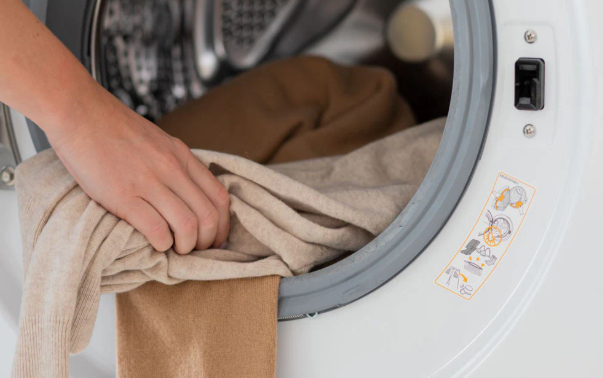
The machine wash is where the fate of your technical apparel is decided. Harsh practices here are the primary cause of premature degradation.
Detergent Selection: Choosing the Right Chemistry
Avoid bleach and fabric softeners at all costs. These chemicals break down high-performance finishes and clog moisture-wicking fibers.Studies show that nearly 70% of athletes who use harsh chemicals end up wearing subpar clothing, all because these additives break down the protective coating and clog the fibers that make up high-performance fabrics.
Recommendation
Choose a mild, non-bio detergent. Skip bleach or fabric softener. These weaken technical finishes. Confirm detergent is safe for suede or grip panels on breeches. For those in wholesale or private label equestrian wear, recommending the right detergent can be a value-added service for your customers.
Cycle and Temperature Settings
Use the delicate or gentle cycle at cold temps. Never go over 30°C/86°F. Hot water damages performance fabric. It causes shrinkage, pilling, and stretch loss.
Cycle Type
Select the delicate or gentle cycle. Aggressive cycles physically stress the fibers and seams, leading to breakdown. Avoid overloading the machine to ensure thorough yet gentle cleaning.
Post-Wash Care: Drying and Strategic Storage
Dry with Care
Air dry pieces away from direct sun. Use the waistband or lay flat for structured items. I avoid tumble drying when I can. Machine-dry on a no-heat/air setting for jackets with water-repellent finishes if the label allows.
Pro tip
For DWR-treated outerwear, refresh the finish after every 5–10 washes. Tumble on air or use a spray. This keeps that water-beading performance alive.
Store with Care
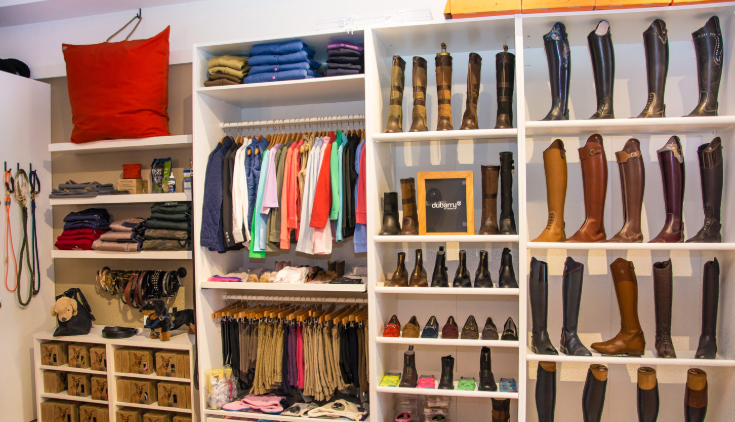
Store when items are dry. Keep them in a shaded, dry place. Store your gear in a cool, dry place in a cotton garment bag. Avoid plastic bags, which absorb moisture. Before storing, give it a quick check for any remaining stains or loose threads that need repairing.
Follow these steps and the breeches and jackets stay in great shape. Eco-microfiber pieces can absorb up to 10% more dye than cotton. So they need extra care. Small habits add up to years of polished, comfortable wear. This works no matter where your riding takes you.
Better Care and Storage for Your Riding Gear
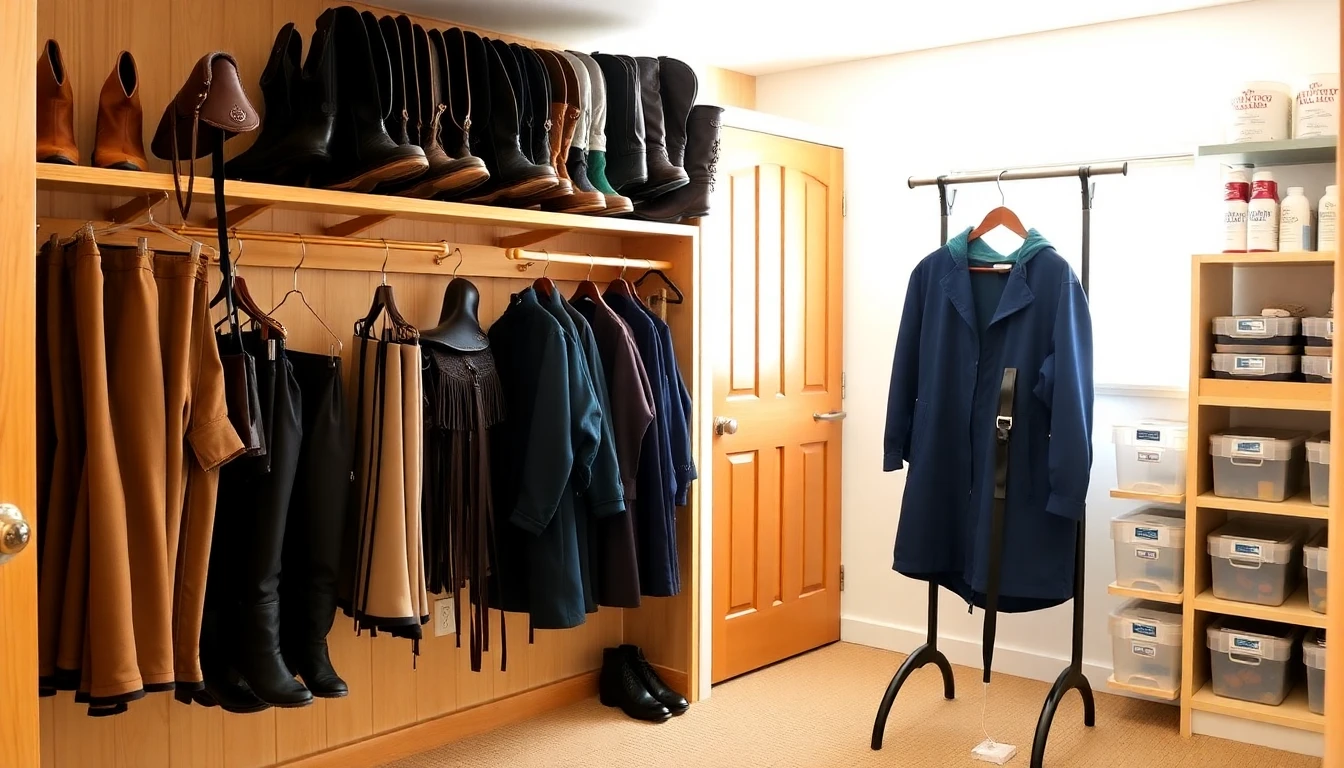
Caring for your riding gear doesn’t stop at washing. How you store and keep it matters a lot. I believe every piece—breeches, boots, and bridles—needs proper care. This keeps them working well and makes your rides better. Here’s how I do it, and how riders with neat tack rooms keep their gear lasting longer:
The Basics: Clean, Dry, and Check Everything
Before I store anything, I make sure each item is completely clean and dry. Moisture attracts mold and mildew. This can ruin expensive fabrics and leather. Then I apply good conditioner to keep the material soft and looking great. Check every piece for worn stitches, loose parts, or small tears. If I find something, I fix it right away. Small repairs save me from buying replacements later.
Smart Storage: Safe and Breathable
Trapped moisture creates mold. I use cotton bags or fabric covers instead. These let leather breathe and age well. Put saddles on racks that support their shape. Fleece lining is a nice touch. This prevents warping or scratches over time. Helmets stay in hard or padded cases. This protects them from bumps and scratches. Keep them below 50% with a dehumidifier or good air flow tack room. Higher humidity triples the mold risk in one season.
Seasonal Care: Blankets and More
Use blanket bars, labeled bins, and raised storage containers to stay organized. Dryer sheets in bins keep mice away and smell fresh. Vacuum-sealed bags save space and block dust. This helps a lot when barn space is limited.
Quick Reference Checklist
-
Store all gear clean, dry, and conditioned.
-
Use breathable covers for leather, not sealed ones.
-
Keep humidity under 50% and out of direct sun.
-
Use racks, shelves, and high bins to save space (modular designs can free up 30% more floor room).
-
Check and care for gear on a schedule.
-
Keep blankets in sealed or vacuum-packed containers with pest protection.
-
Use stackable, labeled bins and portable options for seasonal items.
Beyond Basic Care: Partnering with Your Equestrian Apparel Manufacturer
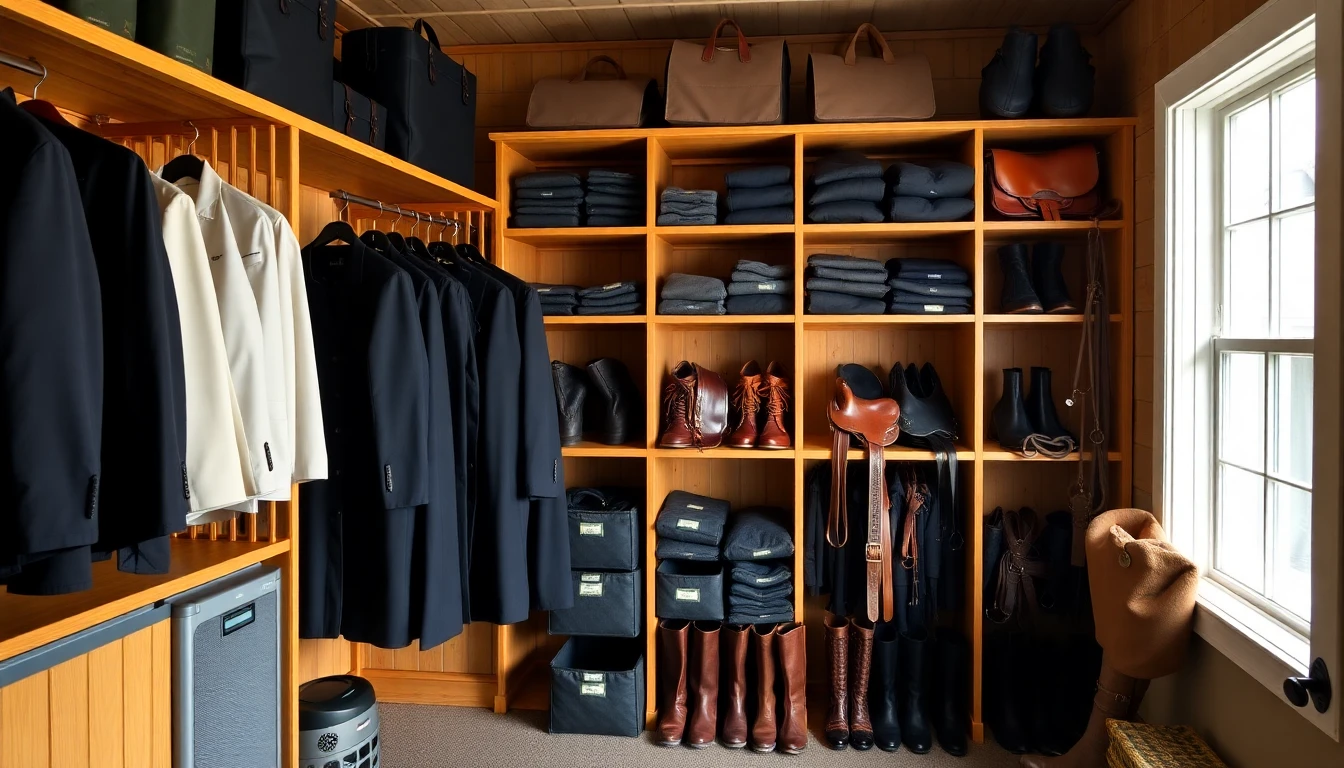
For businesses and serious equestrians, understanding the source of your gear provides a care advantage.
Leverage Manufacturer Expertise
A professional OEM/ODM equestrian clothing manufacturer doesn’t just produce clothes; they are a repository of fabric knowledge. Don’t hesitate to ask them for detailed care guidelines specific to the materials they use. This information is invaluable for creating care tags and customer guides, a key service for private label equestrian wear brands or wholesale distributors.
Quality in, Quality Out
Just like in Germany’s centuries-old saddlery workshops, where artisans obsess over every stitch, premium equestrian brands channel their resources into advanced dyeing and meticulous craftsmanship. These materials don’t just age—they gracefully endure daily rides, summer sweats, and winter mud with resilience that cheaper rivals can’t match. It’s no wonder that about 70% of dedicated riders surveyed said their high-end tack needs fewer repairs and keeps its color even after years of use. Investing upfront isn’t just a splurge; it’s a ticket to effortless longevity.
Conclusion
Years of experience in equestrian clothing manufacturing have shown that maintaining riding gear means respecting its exquisite craftsmanship and cherishing every moment spent with it. Taking a few minutes each time to clean, maintain, and properly store your gear is not only a way to care for the fabrics and leather, but also a way to protect your investment and ensure you’re always ready for your next ride.
I hope these tips can help you build a similarly lasting relationship with your equestrian apparel—if you’re building your own equestrian line, working with a equestrian clothing manufacturer ensures your products perform as well as they look.

0 Comments